
Petrol vs Diesel Engine: Efficiency, Performance, and Maintenance Compared | OEMTRONIC
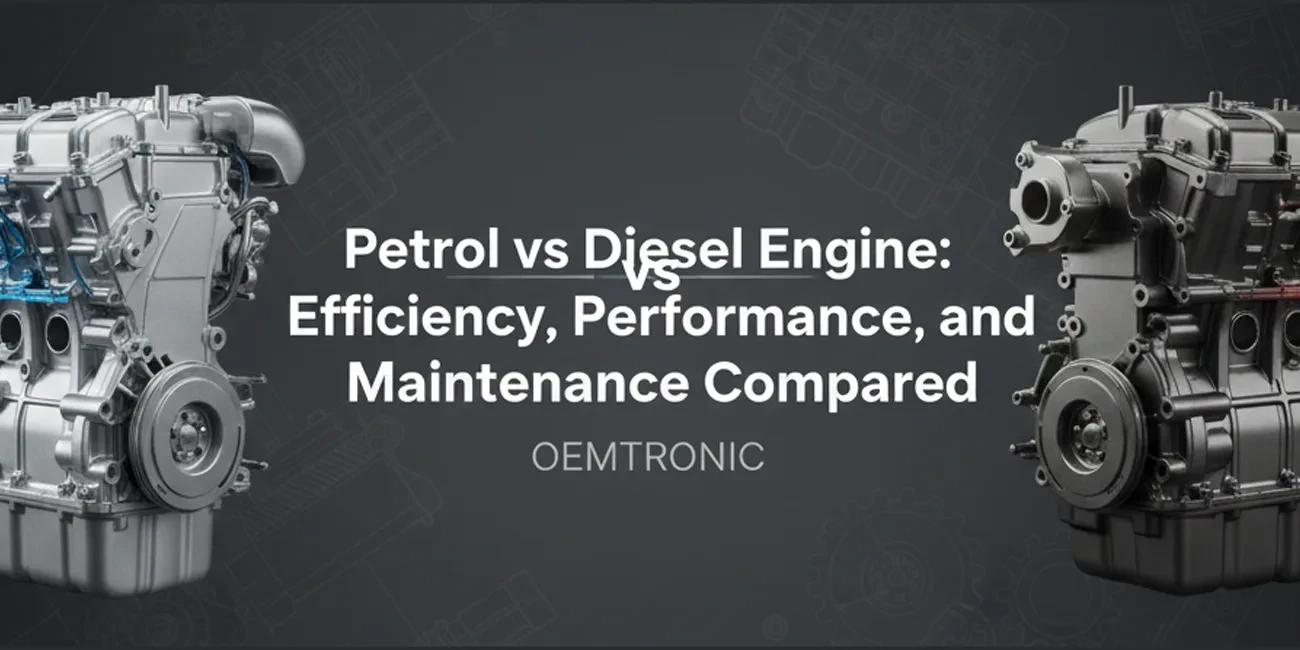
Choosing between a petrol and a diesel engine is one of the most important decisions for any vehicle owner. Each engine type has distinct advantages, performance capabilities, and maintenance requirements. Understanding the difference between diesel and petrol engines helps drivers choose the right vehicle for their lifestyle, driving conditions, and budget.
At OEMTRONIC, we specialize in providing high-quality OEM and used engines for both petrol and diesel vehicles. With access to over 180 trusted suppliers across the United States, we help drivers, repair shops, and auto professionals find reliable, tested, and warranty-backed engines that deliver lasting performance and value.
This comprehensive guide explains everything you need to know about petrol vs diesel engine performance, fuel efficiency, and maintenance. Whether you are buying, repairing, or replacing, this information will help you make an informed decision.
Understanding Petrol vs Diesel Engine
The key difference between diesel and petrol engines lies in how they ignite fuel and generate power.
Petrol engines use a spark plug to ignite a mixture of fuel and air, resulting in smoother performance and quicker acceleration. Diesel engines, by contrast, rely on compressing air until it reaches a high temperature, then injecting diesel fuel that ignites from pressure alone.
This difference in combustion creates unique traits for both engine types, affecting engine torque, fuel efficiency, maintenance costs, and long-term durability. Understanding these differences helps determine which type suits your needs best.
How a Petrol Engine Works
A petrol engine operates on spark ignition. It mixes air and fuel in specific proportions, and a spark plug ignites the mixture to create controlled explosions that generate power.
This process allows for faster throttle response, smoother handling, and high petrol engine acceleration. Petrol engines are ideal for city driving and light-duty vehicles because they rev quickly and offer a quieter experience.
Petrol engines are lighter and less expensive to maintain but may require more frequent servicing compared to diesel engines. However, with consistent engine maintenance, they offer reliable performance and longer lifespans.
How a Diesel Engine Works
Diesel engines function through compression ignition. Air is compressed to a high temperature, and diesel fuel is injected directly into the chamber, igniting automatically.
This design creates higher engine torque and exceptional diesel engine efficiency, which makes diesel engines ideal for towing, heavy loads, and long-distance driving.
Diesel engines are built for durability, with stronger internal components that handle higher compression. While they require more regular maintenance, they can last significantly longer than petrol engines when properly cared for.
Difference Between Diesel and Petrol Engines
The main difference between diesel and petrol engines lies in their combustion method and energy output. Diesel engines burn fuel more efficiently, converting more energy into power, while petrol engines emphasize smooth performance and quick acceleration.
Below is a simple comparison:
For everyday drivers, petrol engines provide easy handling and quick response. For heavy-duty users, diesel engines deliver endurance, torque, and better fuel economy.
Performance Comparison of Diesel vs Petrol
Engine Torque
Diesel engines are known for high engine torque, producing strong power at low RPMs. This makes them excellent for towing, highway driving, and commercial vehicles.
Petrol engines generate power at higher RPMs, offering smoother control and faster throttle response. Drivers who prefer brisk acceleration and sporty driving often favor petrol engines.
At OEMTRONIC, we provide high-quality petrol and diesel engines that ensure both performance and reliability for any driving condition.
Fuel Efficiency
Fuel efficiency is a major factor in choosing between a petrol vs diesel engine. Diesel fuel has a higher energy density, offering greater mileage per gallon and superior diesel engine efficiency.
Drivers who travel long distances or run heavy-duty vehicles benefit most from diesel. Petrol, while less efficient, is still preferred for city use due to its responsiveness and lower initial cost.
OEMTRONIC offers engines and components designed to improve engine efficiency, ensuring maximum value for every drive.
Diesel vs Petrol Performance
When it comes to diesel vs petrol performance, diesel engines excel in endurance and pulling power, while petrol engines deliver quick acceleration and smoother drives.
If your vehicle demands constant torque and extended use, diesel is ideal. For everyday commuting and responsive handling, petrol offers the better choice.
OEMTRONIC supports both needs by offering engines that meet high industry standards, with each unit tested for strength, compression, and reliability.
Engine Efficiency and Technology
Diesel Engine Efficiency
Diesel engines operate with higher compression ratios, which convert more fuel into usable energy. This gives them superior fuel efficiency and lower CO2 emissions compared to petrol engines.
Modern diesel technology includes turbocharging and advanced injection systems, improving both performance and environmental friendliness.
Petrol Engine Efficiency
Petrol engines have seen major advancements, such as turbocharging and direct fuel injection, that increase engine efficiency while maintaining smooth operation.
They now offer impressive fuel economy with better petrol engine acceleration, making them a preferred choice for modern passenger vehicles.
At OEMTRONIC, every engine we provide undergoes rigorous testing for performance, ensuring it meets or exceeds factory efficiency levels.
Engine Maintenance and Longevity
Maintenance Needs
Regular engine maintenance is essential for both petrol and diesel vehicles. Diesel engines need periodic servicing of injectors, filters, and EGR systems, while petrol engines require spark plug replacements and fuel system cleaning.
Using OEM-quality parts ensures consistent performance and longevity. OEMTRONIC supplies tested components that maintain factory-level performance in both diesel and petrol systems.
Engine Lifespan
Diesel engines generally last longer because of their robust construction and lower RPM operation. Petrol engines provide smoother performance but have shorter lifespans under heavy use.
Both benefit from timely oil changes, filter replacements, and coolant checks. Proper engine maintenance reduces wear and enhances efficiency.
Difference Between Petrol and Diesel Cars
The difference between petrol and diesel cars extends beyond the engine. Diesel cars are better suited for high-mileage, long-distance driving with strong pulling power. Petrol cars are more agile, quieter, and easier to maintain, making them popular in urban areas.
Drivers who prioritize fuel efficiency and torque may prefer diesel. Those who value acceleration and smoothness will enjoy petrol engines.
At OEMTRONIC, we help customers find the right engines for their needs, whether they drive diesel-powered trucks or petrol sedans.
Environmental Considerations
Petrol engines produce fewer nitrogen oxides but more carbon dioxide, while diesel engines produce more particulates but consume less fuel overall.
Modern engines are now designed to balance power and eco-friendliness. OEMTRONIC supplies both petrol and diesel engines that meet modern emission standards without sacrificing performance.
Choosing the Right Engine for Your Vehicle
Selecting between a petrol vs diesel engine depends on your driving habits and usage.
Diesel engines are better for frequent highway driving, towing, and commercial use.
Petrol engines are better for short commutes, smooth performance, and faster throttle response.
Both benefit from proper engine maintenance using OEM-standard parts.
OEMTRONIC provides reliable petrol and diesel engines that are tested, inspected, and backed by warranty for peace of mind.
Why Choose OEMTRONIC for Diesel and Petrol Engines
OEMTRONIC is one of the largest and most trusted online engine suppliers in the United States. We provide OEM and recycled engines that are tested for performance and covered by warranty.
Customers choose us because we offer:
Access to over 180 suppliers nationwide
Warranty-backed petrol and diesel engines
Fast nationwide shipping
No core return requirement
Quality-tested parts at competitive prices
Our mission is to make finding and replacing your engine simple, affordable, and reliable.
Frequently Asked Questions
What is the main difference between diesel and petrol engines?
The difference between diesel and petrol engines lies in their ignition process. Diesel uses compression ignition, while petrol uses spark ignition.Which engine is more fuel efficient?
Diesel engines generally offer better fuel efficiency due to higher diesel engine efficiency and longer combustion cycles.Do petrol engines accelerate faster?
Yes, petrol engine acceleration is quicker, providing a smoother and more responsive driving experience.Which engine lasts longer?
Diesel engines typically last longer because of stronger construction and lower RPM operation.Are diesel engines more powerful?
Diesel engines provide higher engine torque, making them better for towing and heavy-duty performance.Which type of car is cheaper to maintain?
Petrol cars are cheaper to maintain, though diesel engines provide better long-term value for frequent drivers.Which is better for city driving?
Petrol engines are more suitable for city driving because of quick acceleration and smoother handling.Can I buy replacement diesel and petrol engines from OEMTRONIC?
Yes. OEMTRONIC supplies OEM and used diesel vs gasoline engines nationwide, backed by warranty and quick delivery.
Conclusion
Choosing between a petrol vs diesel engine depends on how you drive, what you drive, and what you value most. Diesel engines deliver better engine torque, higher fuel efficiency, and longevity, while petrol engines offer quick acceleration and smooth operation.
With consistent engine maintenance and reliable OEM components, either option can deliver years of dependable service.
At OEMTRONIC, we help you find high-quality, tested petrol and diesel engines that meet your vehicle’s exact specifications. Our engines are inspected, warranty-covered, and shipped nationwide for convenience and peace of mind.
Visit OEMTRONIC.com today to explore our extensive inventory of engines, transmissions, and parts, and discover why vehicle owners across the country trust OEMTRONIC for power, performance, and value.
Recent Posts
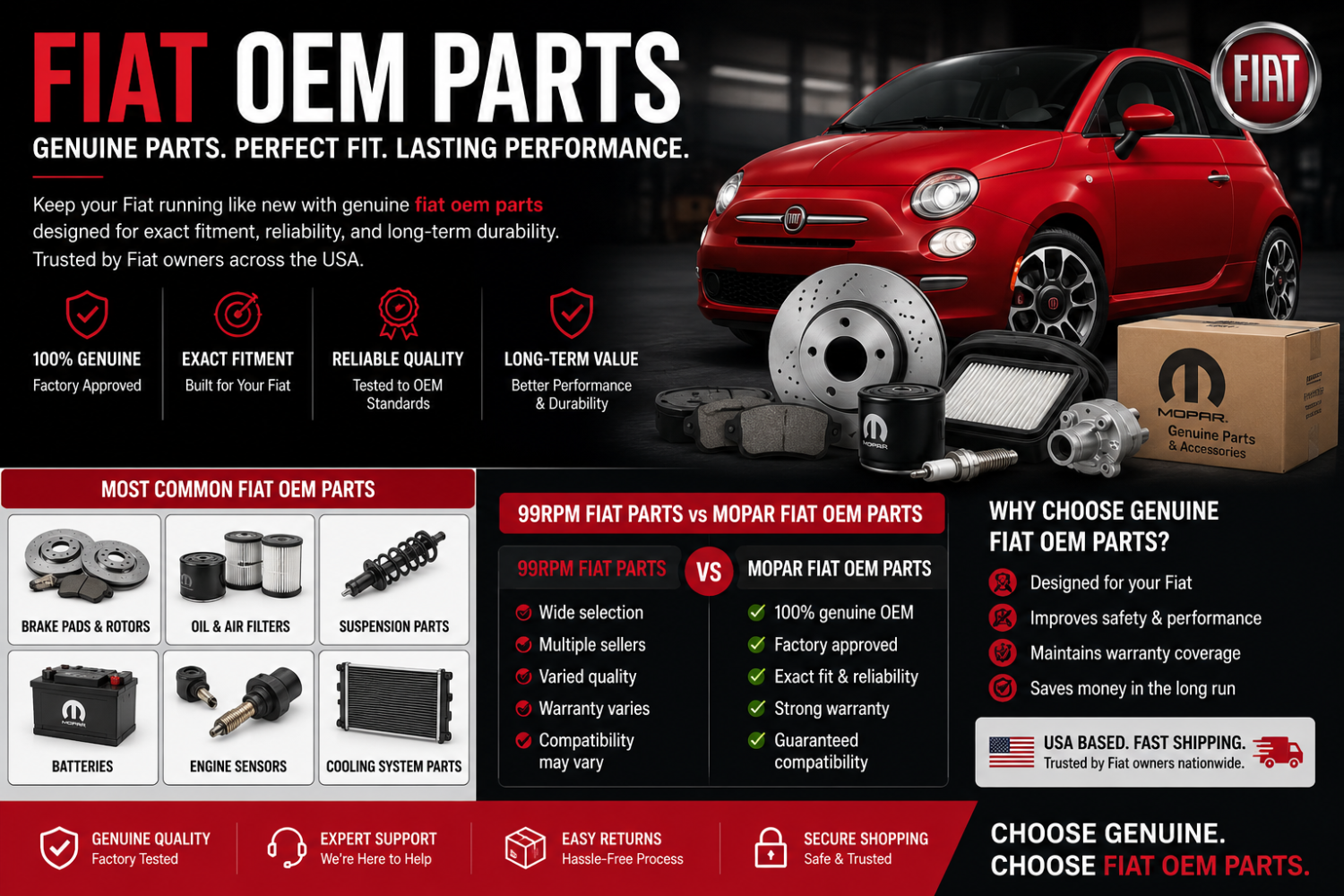
Fiat OEM Parts USA Guide: Genuine Replacement Parts Every Fiat Owner Should Know
Lennox OEM Part Guide: How to Find Genuine HVAC Replacement Parts in the USA
Used Lennox OEM Part: Find Repair Parts Easily with the New Repair Part Finder in the USA
OEM Parts Online Reviews: See What Real USA Buyers Are Saying Before Ordering
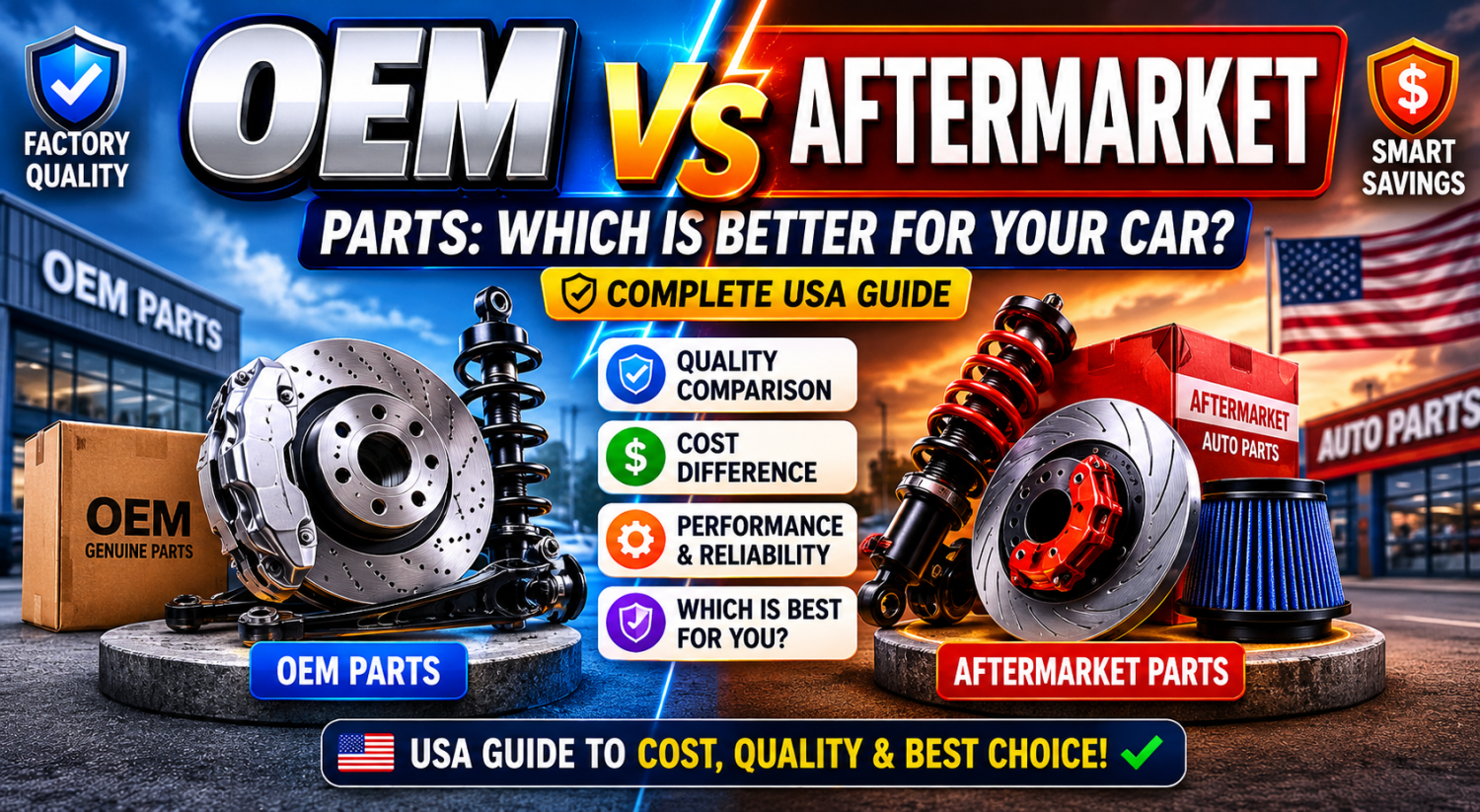
OEM vs Aftermarket Parts: Complete USA Guide to Differences, Quality, Cost & Best Choice

Maserati OEM Parts USA: Buy Genuine Maserati Spare Parts Online

The goal at Oemtronic Auto Parts is to connect buyers across the internet looking for auto parts with one of the largest network of salvage yards online. We want to streamline and economize the auto parts buying process by offering you the most up to date online buying experience.