
OEM vs Aftermarket Parts: Complete USA Guide to Differences, Quality, Cost & Best Choice
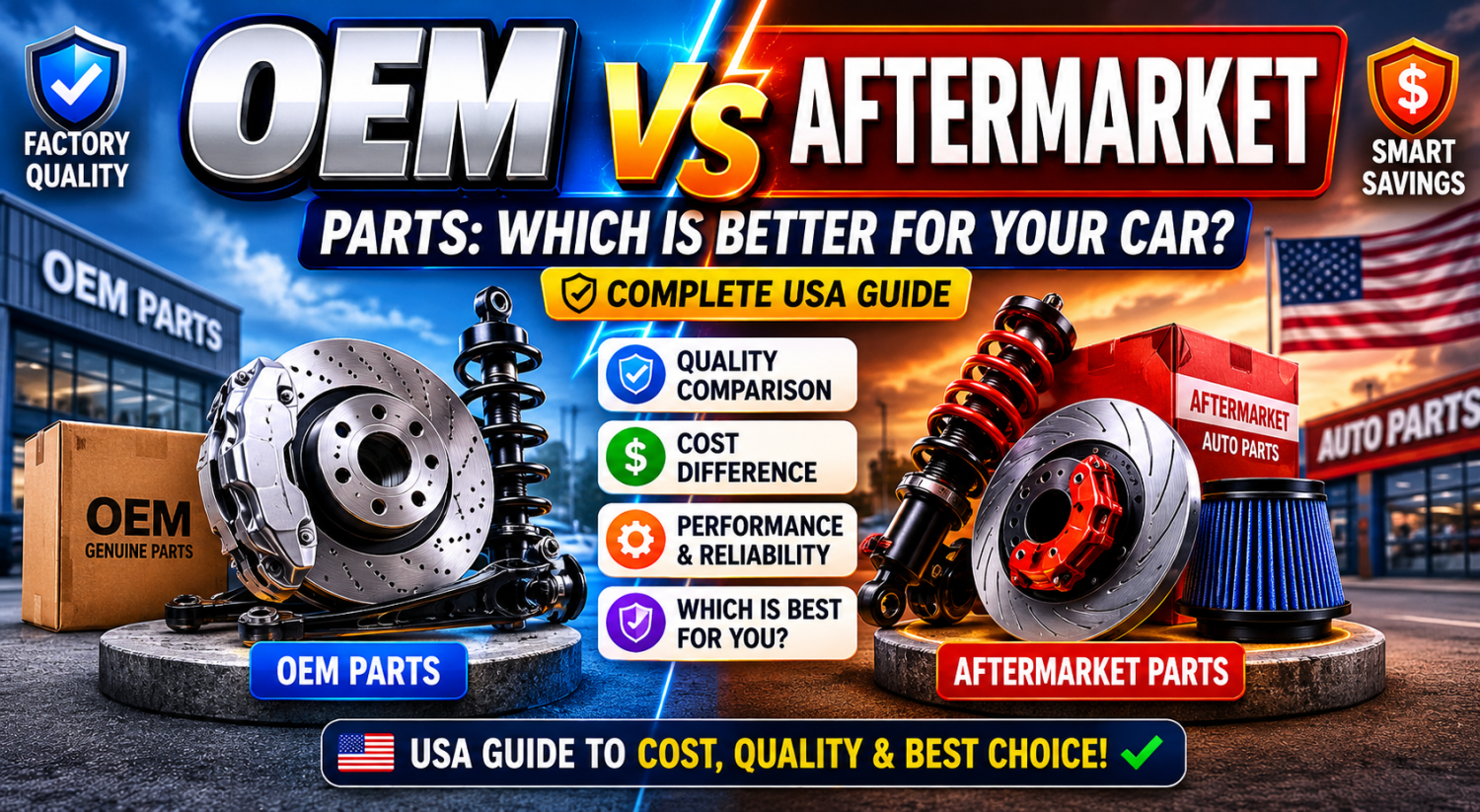
If you are confused about repairing your vehicle, understanding oem vs aftermarket parts is essential for making the right decision in the USA automotive market. In the first few lines: OEM parts are factory-made components offering perfect fit and reliability, while aftermarket parts provide cheaper alternatives with varying quality levels. This guide explains everything in simple terms.
Across the United States, car owners face a common dilemma during repairs—whether to choose dealership-approved OEM components or cost-effective aftermarket alternatives. The decision impacts safety, warranty, performance, and long-term maintenance costs. In this complete guide, we break down everything you need to know about oem vs aftermarket parts so you can confidently choose what fits your vehicle, budget, and driving needs.
What Are OEM Parts? (Original Equipment Manufacturer)
Understanding What Are OEM Parts? (Original Equipment Manufacturer) is the foundation of comparing oem vs aftermarket parts.
OEM parts are manufactured either by the vehicle company or a certified supplier following exact factory specifications. These parts are identical to those originally installed in your car during production.
Key Features:
Exact factory match
Used in dealership repairs
Approved by manufacturers
Designed for long-term durability
OEM parts also reflect the Importance of factory-fit components, ensuring your vehicle maintains original performance standards and safety levels.
Where OEM Parts Are Used in the USA
Authorized dealership repairs
Insurance-approved collision repairs
Warranty-covered vehicle replacements
In most warranty cases, insurers prefer OEM parts because they guarantee consistency and reduce liability risks.
Advantages of OEM Parts
Perfect fitment without modification
High reliability and safety assurance
Maintains resale value of the vehicle
Manufacturer-backed warranty
These benefits make OEM parts the premium choice in oem vs aftermarket parts discussions.
Disadvantages of OEM Parts
Higher cost compared to alternatives
Limited availability in some regions
Longer wait time for rare parts
Despite these drawbacks, many USA drivers still prefer OEM for critical repairs.
What Are Aftermarket Parts?
Another key aspect of oem vs aftermarket parts is understanding third-party alternatives.
Aftermarket parts are produced by independent manufacturers who design components compatible with multiple vehicle models. They are widely available across the USA through auto shops, online retailers, and local garages.
Types of Aftermarket Parts in the USA
Economy grade parts – budget-friendly, basic quality
OEM-equivalent parts – match factory specifications
Performance aftermarket parts – upgrades for power or efficiency
This diversity is why Aftermarket vs OEM Car Parts (comparison guide / OEM vs OEM vs aftermarket difference / OEM vs aftermarket parts USA) searches are extremely popular among American car owners.
Advantages of Aftermarket Parts
Lower cost (often thirty to sixty percent cheaper)
Widely available across USA auto stores
More brand choices
Performance upgrade options
Aftermarket parts are often preferred in older vehicles where cost efficiency matters more than factory precision.
Disadvantages of Aftermarket Parts
Quality inconsistency
Risk of poor fitment
Limited warranty coverage
Not always OEM-standard
These risks make careful selection important when comparing oem vs aftermarket parts.
OEM vs Aftermarket Parts Comparison Table
| Feature | OEM Parts | Aftermarket Parts |
|---|---|---|
| Price | Higher | Lower |
| Quality | Consistent | Varies |
| Fitment | Perfect factory match | May vary |
| Availability | Limited | High in USA |
| Warranty | Manufacturer-backed | Depends on brand |
| Use Case | New and warranty vehicles | Budget and older cars |
This comparison is central to oem vs aftermarket parts decision-making.
OEM vs Aftermarket Parts USA Market Overview
The USA automotive industry heavily influences oem vs aftermarket parts choices due to insurance systems and repair practices.
Insurance Influence
Many US insurance companies allow aftermarket parts to reduce repair costs, but OEM parts are preferred for newer or luxury vehicles.
Repair Shops
Dealerships: use OEM exclusively
Independent garages: mix OEM and aftermarket
Availability
OEM: slower supply chain
Aftermarket: widely stocked in stores like AutoZone and online platforms
This creates a balanced ecosystem for oem vs aftermarket parts decisions.
When Should You Choose OEM Parts?
Choosing OEM parts is best when:
Vehicle is under warranty
Repair involves safety components
You want factory-level performance
You own a newer or luxury vehicle
OEM parts ensure consistency and reliability, reinforcing the Importance of factory-fit components.
When Should You Choose Aftermarket Parts?
Aftermarket parts are ideal when:
Vehicle is older
Budget is limited
Non-critical parts need replacement
You want performance upgrades
In many oem vs aftermarket parts comparisons, aftermarket wins on affordability.
Risks of Cheap Aftermarket Parts
Not all aftermarket parts are equal.
Key risks:
Poor material quality
Shorter lifespan
Safety concerns in critical systems
Possible counterfeit products
This is why expert evaluation is crucial in oem vs aftermarket parts selection.
Cost Comparison in USA
A major factor in oem vs aftermarket parts decisions is cost.
OEM parts: significantly more expensive
Aftermarket parts: more affordable alternatives
While OEM ensures quality, aftermarket offers budget flexibility.
Expert Insight: OEM vs Aftermarket Parts
Mechanics across the USA generally agree:
OEM offers consistent quality and safety
Aftermarket depends on brand reputation
High-end aftermarket can match OEM quality
Low-end aftermarket carries higher risk
This reinforces why oem vs aftermarket parts is not a one-size-fits-all decision.
Chart: Cost vs Quality Comparison
OEM Parts
Quality: ██████████
Cost:    ██████████

Aftermarket Parts
Quality: ███████
Cost:    █████
Frequently Asked Questions
What is the main difference in oem vs aftermarket parts
OEM parts are factory-made, while aftermarket parts are produced by third parties.
Are OEM parts better than aftermarket parts
In most cases, OEM parts offer higher reliability and perfect fitment.
Why are aftermarket parts cheaper
They are mass-produced by multiple manufacturers, reducing cost.
Do insurance companies prefer OEM parts
Some insurers prefer aftermarket parts, but OEM is often used for newer vehicles.
Can aftermarket parts match OEM quality
Yes, premium aftermarket brands can match OEM standards.
Are aftermarket parts safe
Yes, but quality depends on the manufacturer.
Where can I buy OEM parts in the USA
OEM parts are available at dealerships and certified suppliers.
Which is better for long-term use in oem vs aftermarket parts
OEM is better for long-term reliability, while aftermarket is better for budget savings.
Final Verdict
In oem vs aftermarket parts, there is no universal winner. OEM parts deliver unmatched reliability and factory precision, while aftermarket parts offer affordability and flexibility.
The Importance of factory-fit components remains critical for safety and performance-focused repairs.
Ultimately, choosing between oem vs aftermarket parts depends on your vehicle age, budget, and performance expectations.
Recent Posts
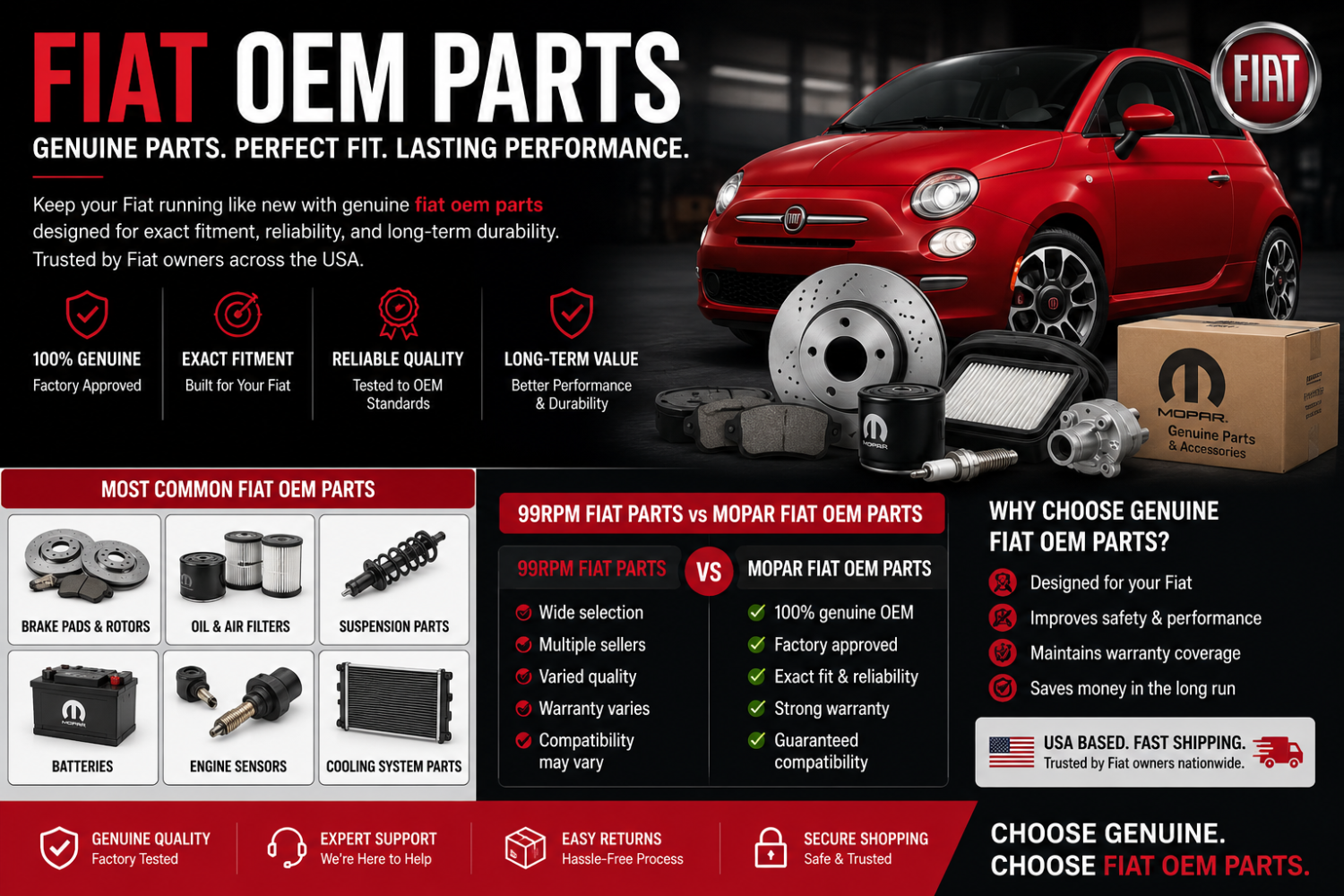
Fiat OEM Parts USA Guide: Genuine Replacement Parts Every Fiat Owner Should Know
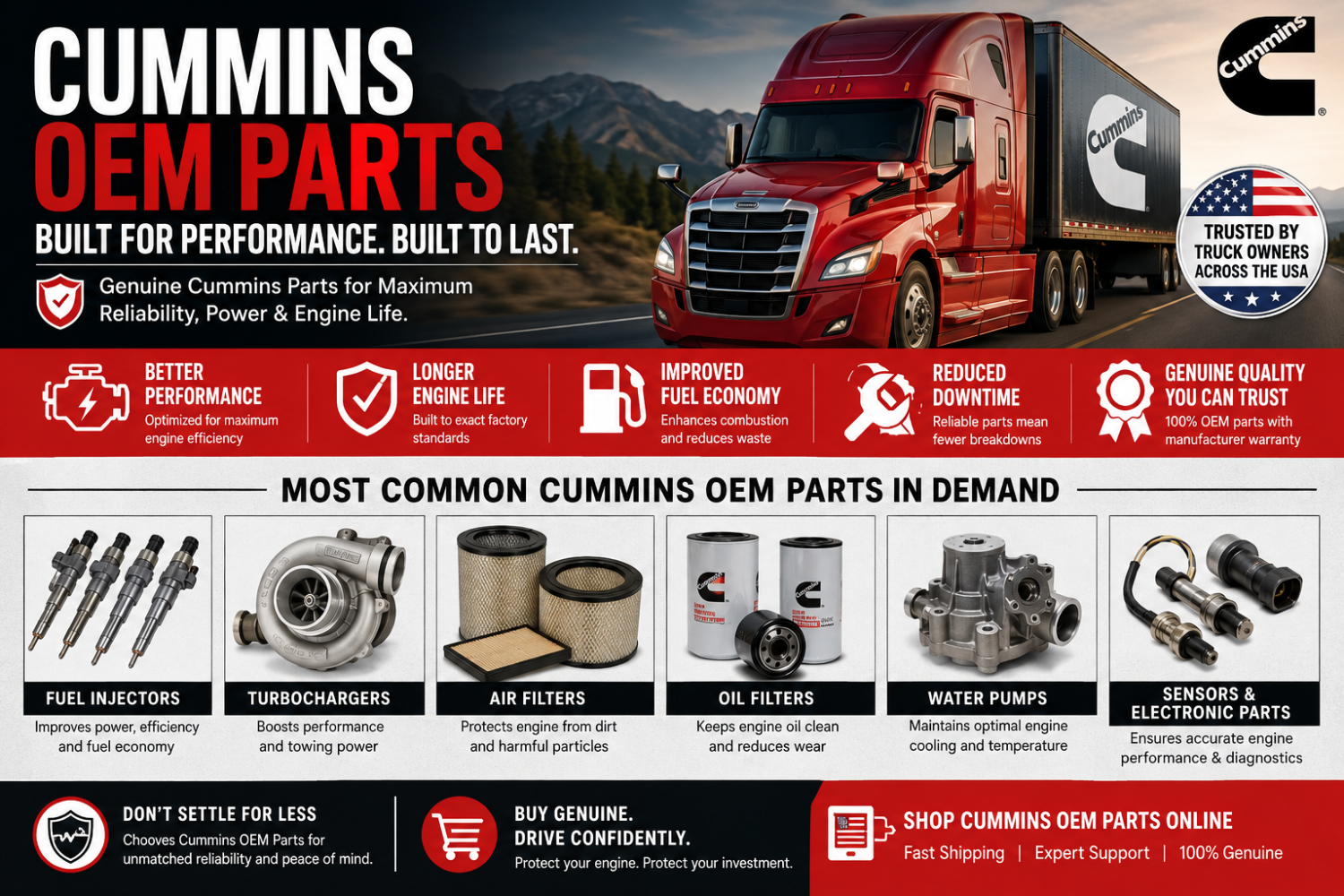
Lennox OEM Part Guide: How to Find Genuine HVAC Replacement Parts in the USA
Used Lennox OEM Part: Find Repair Parts Easily with the New Repair Part Finder in the USA
OEM Parts Online Reviews: See What Real USA Buyers Are Saying Before Ordering
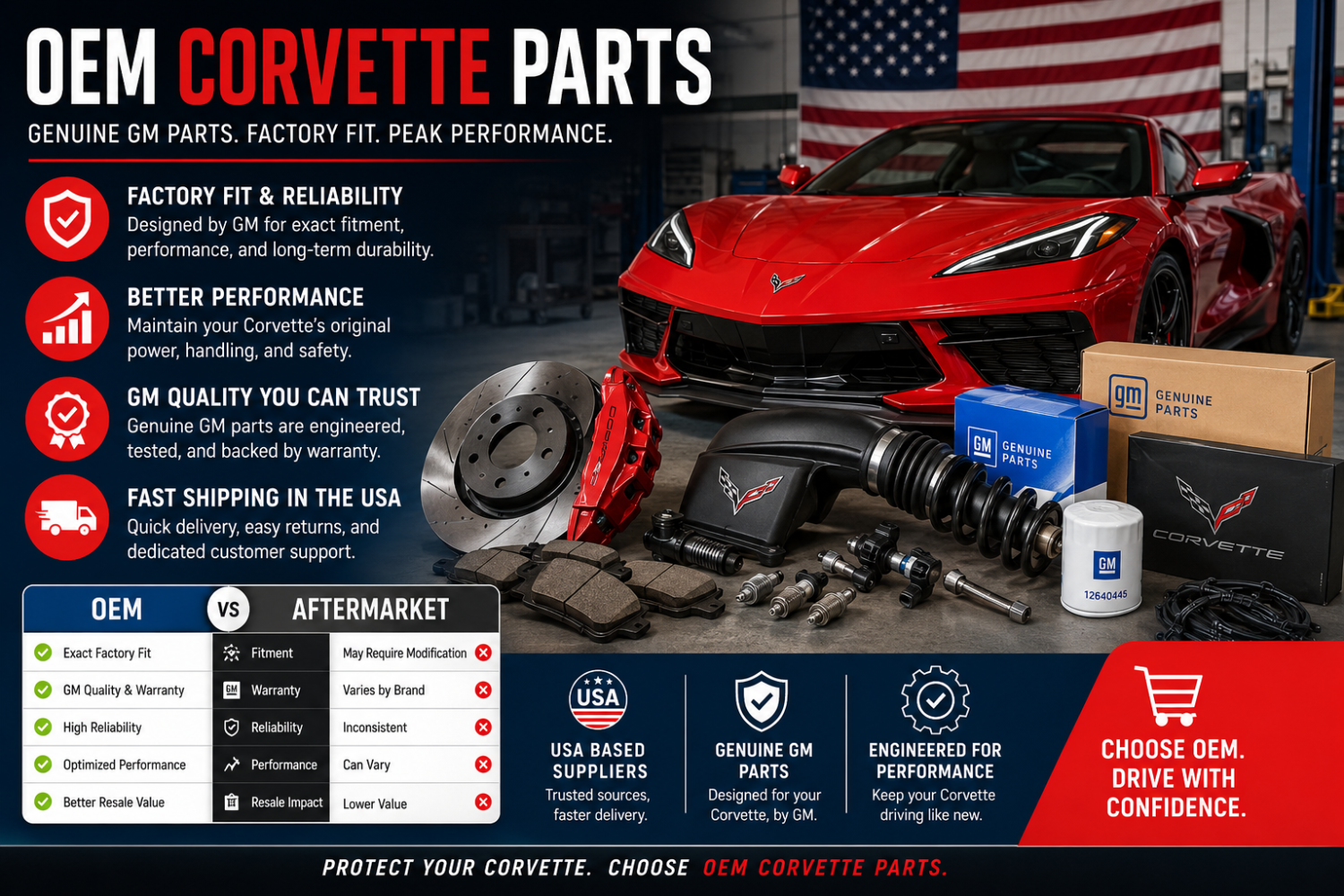
OEM vs Aftermarket Parts: Complete USA Guide to Differences, Quality, Cost & Best Choice
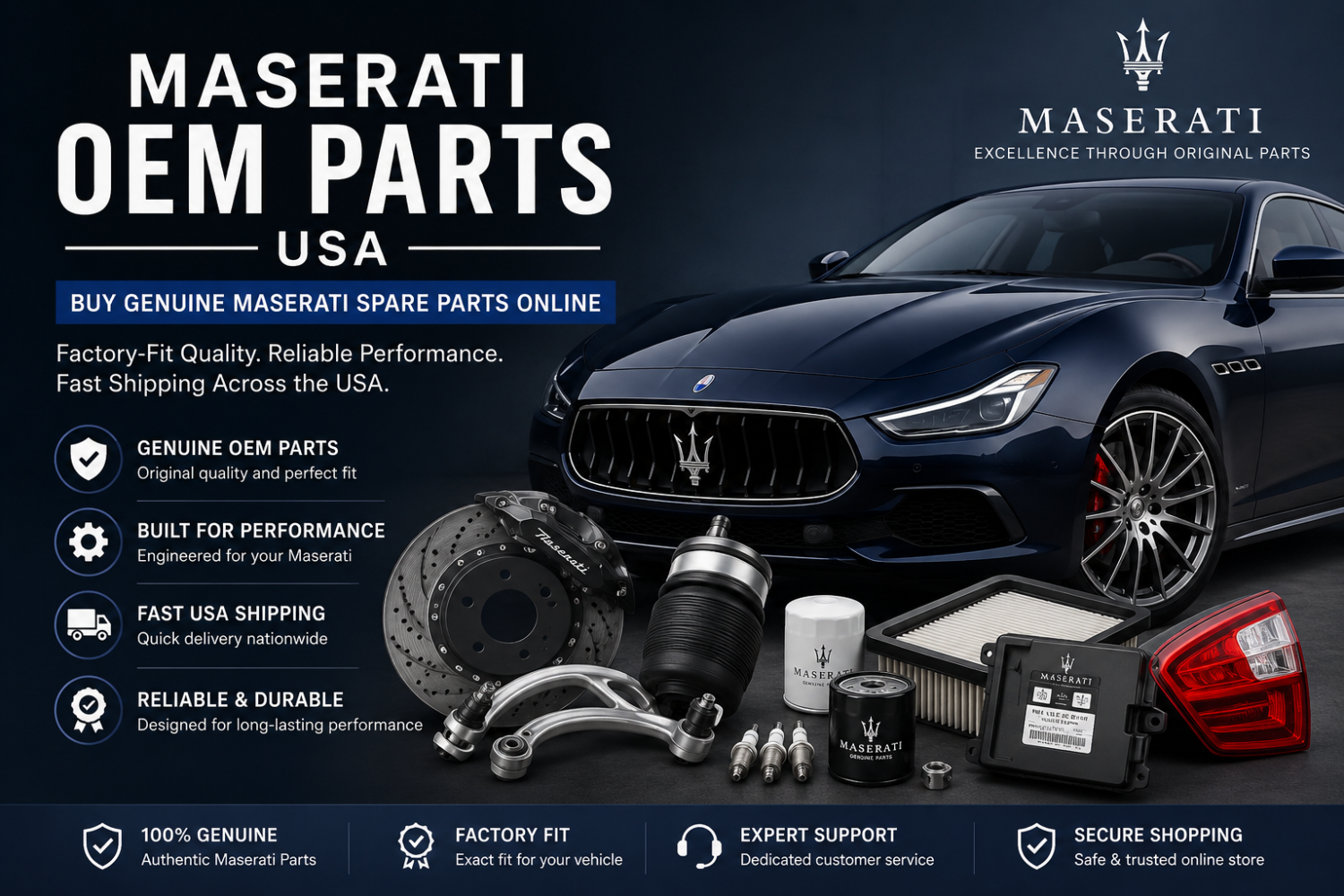
Maserati OEM Parts USA: Buy Genuine Maserati Spare Parts Online

The goal at Oemtronic Auto Parts is to connect buyers across the internet looking for auto parts with one of the largest network of salvage yards online. We want to streamline and economize the auto parts buying process by offering you the most up to date online buying experience.