
OEM vs Aftermarket Parts Difference: Complete Guide for Smart Car Owners
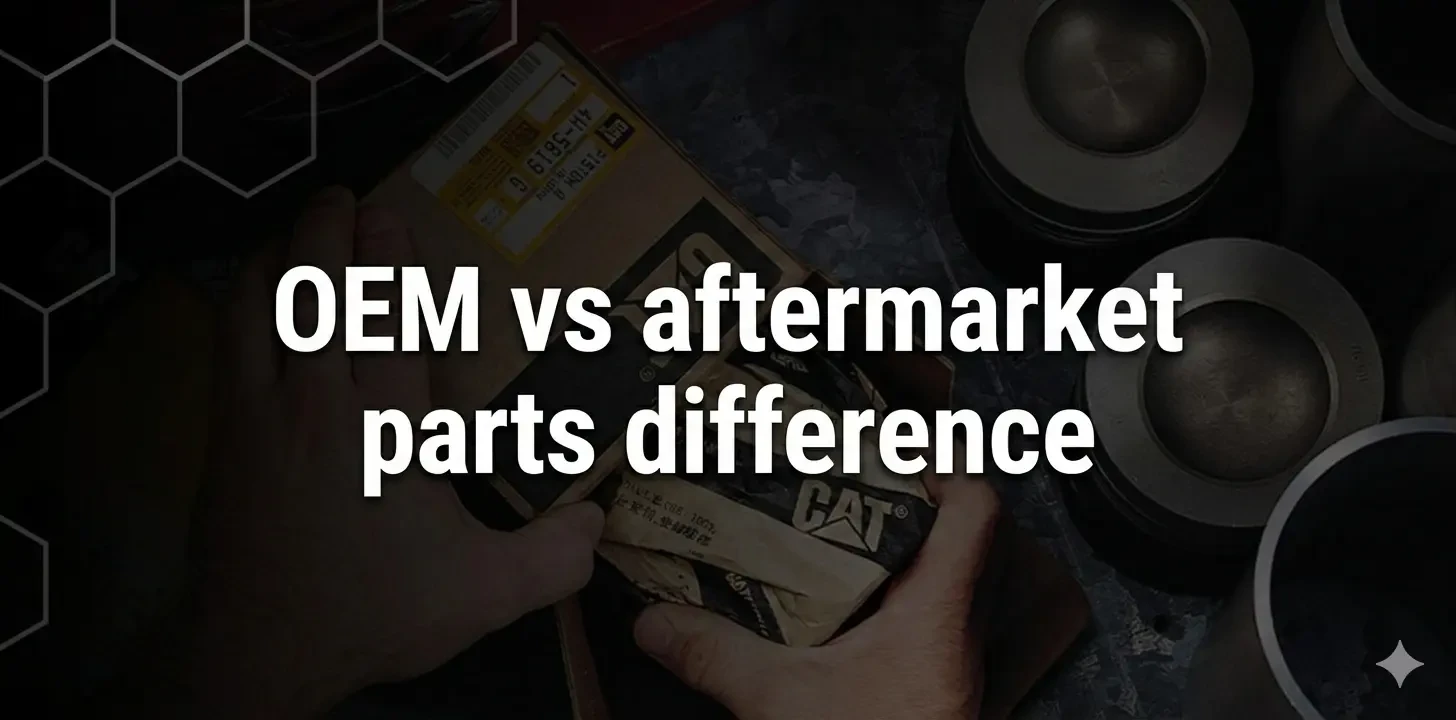
When it comes to repairing or maintaining your vehicle, one of the most common questions is whether to choose OEM parts or aftermarket parts. Both options have their own advantages and disadvantages, and the right choice depends on your budget, vehicle type, and long-term goals.
In this complete guide, we will explain the difference between OEM and aftermarket parts, compare their benefits, and help you decide which option is best for your needs. We will also connect this topic with popular automotive markets such as Used Engines in Santa Ana, Used Engines in Irvine, and Used Engines in Huntington Beach, where buyers often face this decision.
What Are OEM Parts?
OEM stands for Original Equipment Manufacturer. These parts are made by the same company that produced the original components used in your vehicle.
Key Features of OEM Parts
Designed specifically for your vehicle
Exact match to original components
Manufactured to strict quality standards
Usually sold through dealerships
OEM parts are identical to what your car had when it was first built.
What Are Aftermarket Parts?
Aftermarket parts are produced by third-party manufacturers. They are designed to function like OEM parts but are not made by the original manufacturer.
Key Features of Aftermarket Parts
Produced by independent companies
Available in a wide range of brands
Often cheaper than OEM parts
May offer performance upgrades
Aftermarket parts can vary in quality depending on the brand.
Key Differences Between OEM and Aftermarket Parts
Understanding the differences can help you make a better decision.
1. Quality
OEM parts are built to meet manufacturer standards, ensuring consistent quality. Aftermarket parts can range from high quality to low quality depending on the manufacturer.
2. Price
OEM parts are usually more expensive because they come directly from the manufacturer. Aftermarket parts are often cheaper, making them attractive for budget-conscious buyers.
3. Fit and Compatibility
OEM parts provide a perfect fit because they are designed for your specific vehicle. Aftermarket parts may require adjustments during installation.
4. Warranty
OEM parts typically come with a manufacturer warranty. Aftermarket parts may have limited or no warranty depending on the brand.
5. Availability
Aftermarket parts are widely available and often easier to find. OEM parts may need to be ordered through a dealer.
Advantages of OEM Parts
Perfect Fit
OEM parts are designed to match your vehicle exactly, ensuring easy installation.
High Reliability
They are built to last and meet strict quality standards.
Warranty Protection
Most OEM parts come with a warranty for added peace of mind.
Maintains Vehicle Value
Using OEM parts helps preserve your car’s original condition.
Many buyers searching for Used Engines in Santa Ana prefer OEM-compatible engines to ensure proper performance and reliability.
Advantages of Aftermarket Parts
Lower Cost
Aftermarket parts are usually more affordable than OEM parts.
Wide Selection
There are many brands and options available.
Performance Options
Some aftermarket parts are designed to improve performance.
Drivers in areas like Used Engines in Irvine sometimes choose aftermarket parts for cost savings, especially for older vehicles.
Disadvantages of OEM Parts
Higher cost
Limited availability
Fewer options
Disadvantages of Aftermarket Parts
Quality can vary
May not fit perfectly
Limited warranty in some cases
Buyers in Used Engines in Huntington Beach often compare these factors before making a decision.
When Should You Choose OEM Parts?
OEM parts are the best choice when:
You want guaranteed compatibility
Your vehicle is new or high value
You want long-term reliability
The part is critical for safety
OEM parts are especially important for major components like engines and transmissions.
When Should You Choose Aftermarket Parts?
Aftermarket parts are suitable when:
You have a limited budget
Your vehicle is older
You need a quick replacement
You want performance upgrades
However, always choose reputable brands to ensure quality.
OEM vs Aftermarket for Engine Replacement
When replacing an engine, the choice becomes even more important.
OEM Engine
Perfect compatibility
Reliable performance
Higher cost
Aftermarket or Used Engine
More affordable
May require verification
Performance depends on condition
In markets like Used Engines in Santa Ana, Used Engines in Irvine, and Used Engines in Huntington Beach, buyers often choose OEM-standard used engines for a balance between cost and reliability.
Cost Comparison
Here is a general comparison:
While OEM parts cost more upfront, they often provide better long-term value.
Tips for Choosing the Right Parts
Always check compatibility with your vehicle
Compare multiple options
Read customer reviews
Ask about warranty
Consult a professional mechanic
These steps can help you make a smart decision.
Common Mistakes to Avoid
Avoid these common mistakes:
Choosing the cheapest option without checking quality
Ignoring compatibility issues
Buying from unverified sellers
Skipping warranty checks
Making informed choices can save you money and trouble.
Impact on Vehicle Performance
Your choice of parts can directly affect your vehicle’s performance.
OEM Parts
Consistent performance
Better fuel efficiency
Smooth operation
Aftermarket Parts
Performance may vary
Some offer upgrades
Risk of lower quality
Choosing the right part ensures your vehicle runs efficiently.
Long-Term Value
While aftermarket parts may save money initially, OEM parts often provide better long-term value due to their durability and reliability.
This is why many buyers in Used Engines in Santa Ana, Used Engines in Irvine, and Used Engines in Huntington Beach prefer OEM or OEM-equivalent parts for major repairs.
Conclusion
Understanding the difference between OEM and aftermarket parts is essential for making the right decision for your vehicle.
OEM parts offer better quality, perfect fit, and long-term reliability, while aftermarket parts provide affordability and variety. The best choice depends on your budget, vehicle condition, and long-term plans.
In automotive markets like Used Engines in Santa Ana, Used Engines in Irvine, and Used Engines in Huntington Beach, buyers have access to a wide range of options, making it easier to choose the right parts.
By carefully evaluating your needs and choosing trusted suppliers, you can ensure your vehicle performs well and lasts longer.
FAQ
What is the difference between OEM and aftermarket parts?
OEM parts are made by the original manufacturer, while aftermarket parts are made by third-party companies.
Are OEM parts better than aftermarket parts?
OEM parts offer better fit and reliability, while aftermarket parts are more affordable.
Why are OEM parts more expensive?
They meet manufacturer standards and come with guaranteed compatibility and warranty.
Are aftermarket parts reliable?
Yes, but quality depends on the brand and manufacturer.
Which is better for engine replacement OEM or aftermarket?
OEM or OEM-equivalent engines are better for reliability and performance.
Do OEM parts come with warranty?
Yes, most OEM parts include a manufacturer warranty.
When should I choose aftermarket parts?
When you want a lower cost option for non-critical repairs or older vehicles.
Recent Posts
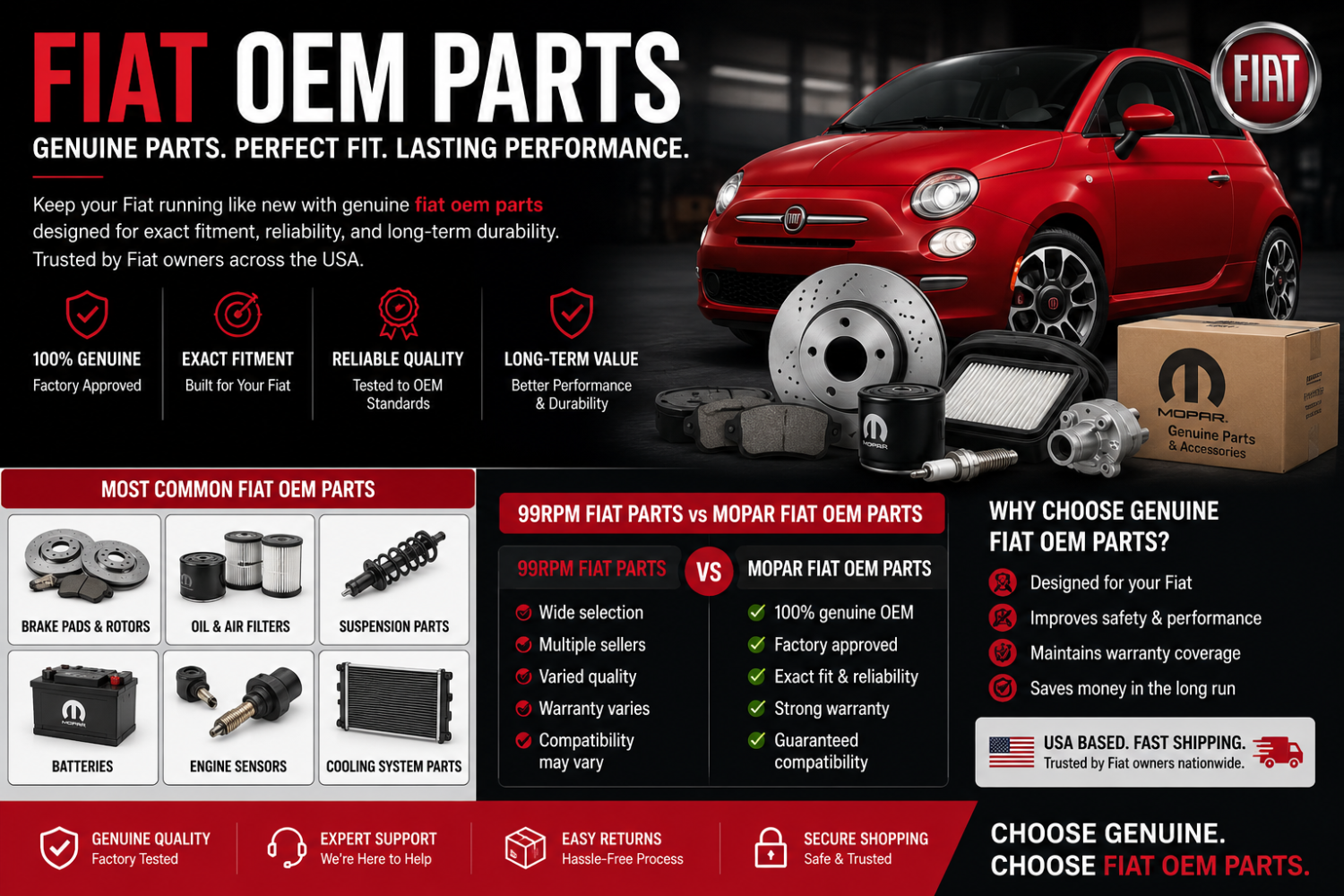
Fiat OEM Parts USA Guide: Genuine Replacement Parts Every Fiat Owner Should Know
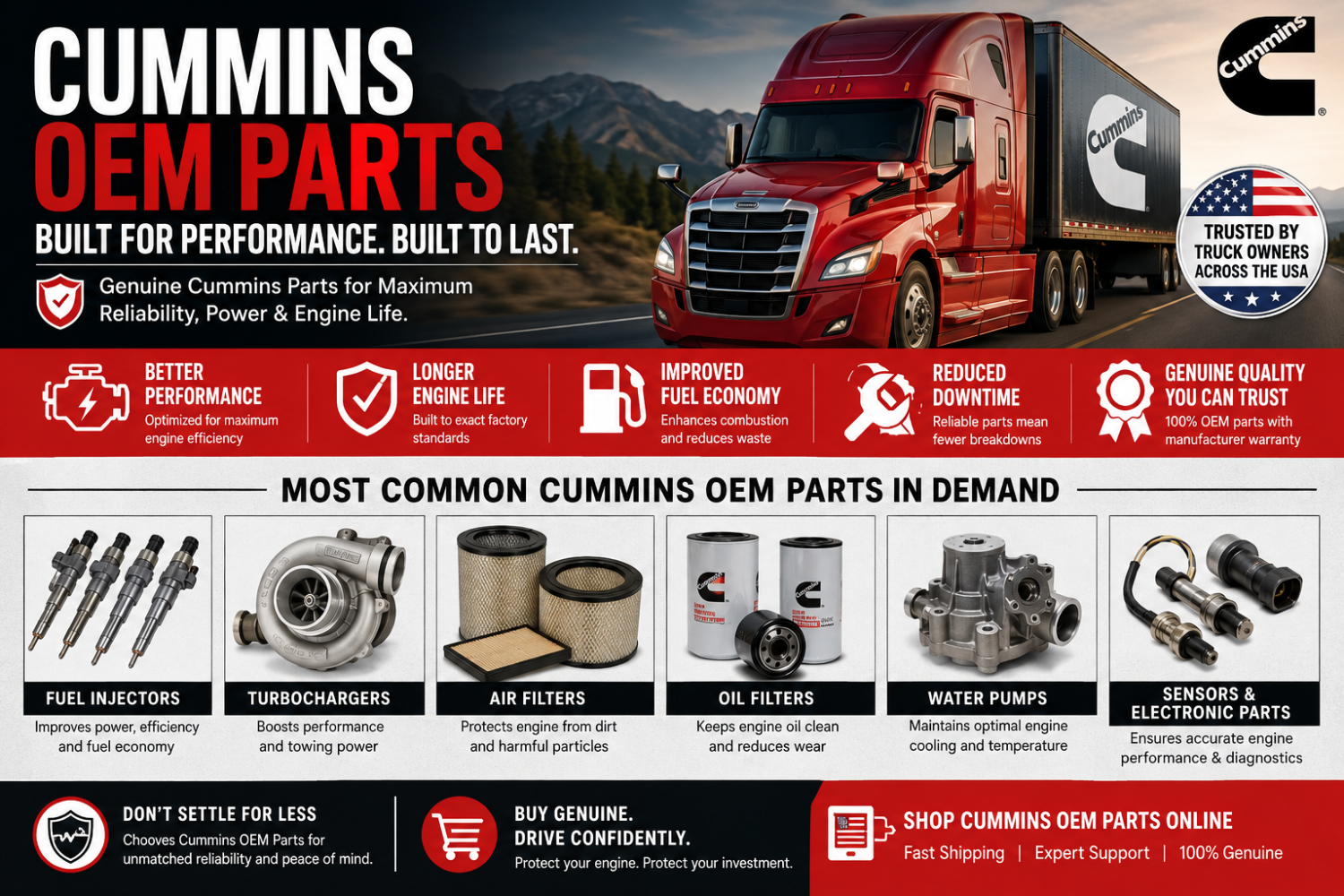
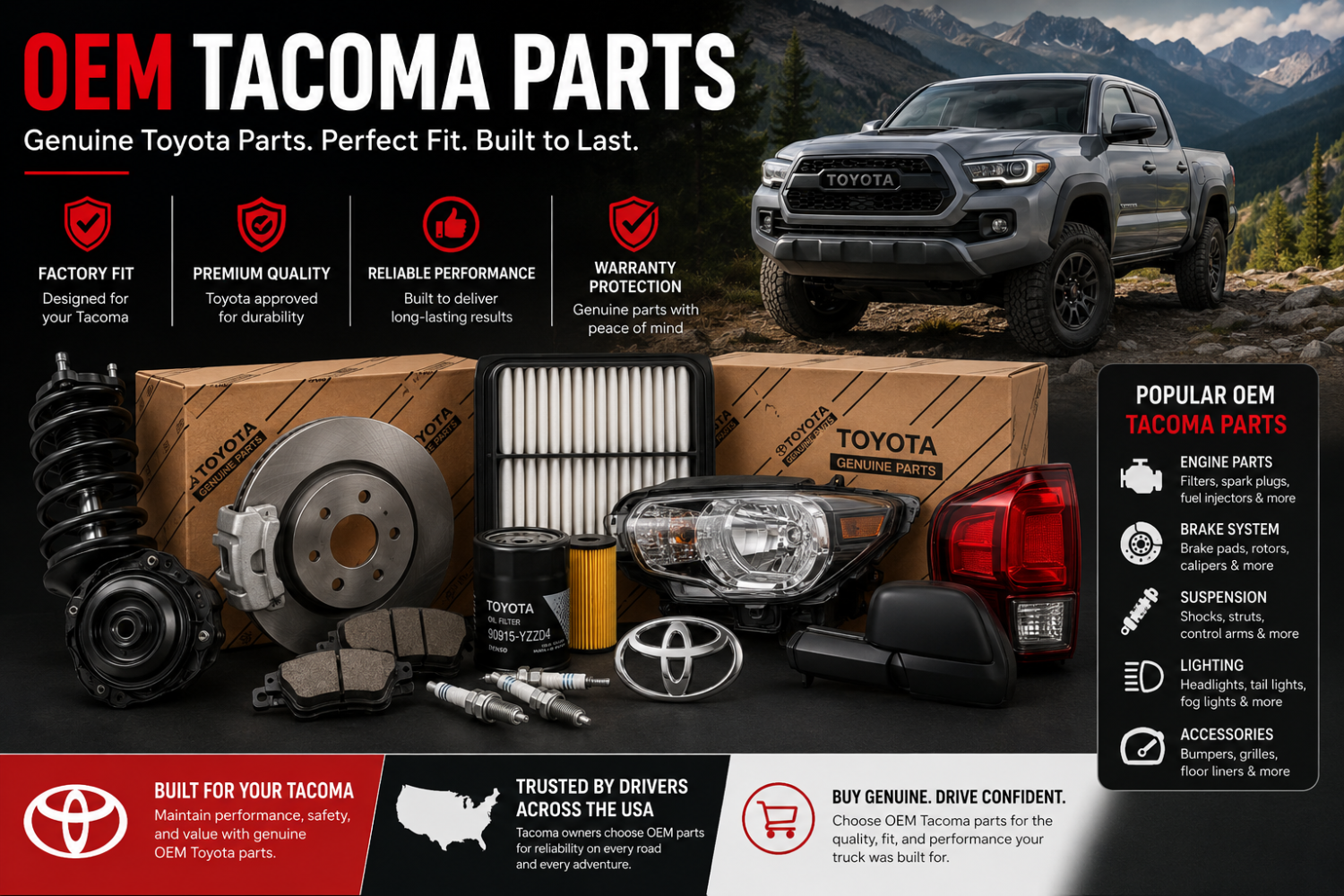
Lennox OEM Part Guide: How to Find Genuine HVAC Replacement Parts in the USA
Used Lennox OEM Part: Find Repair Parts Easily with the New Repair Part Finder in the USA
OEM Parts Online Reviews: See What Real USA Buyers Are Saying Before Ordering
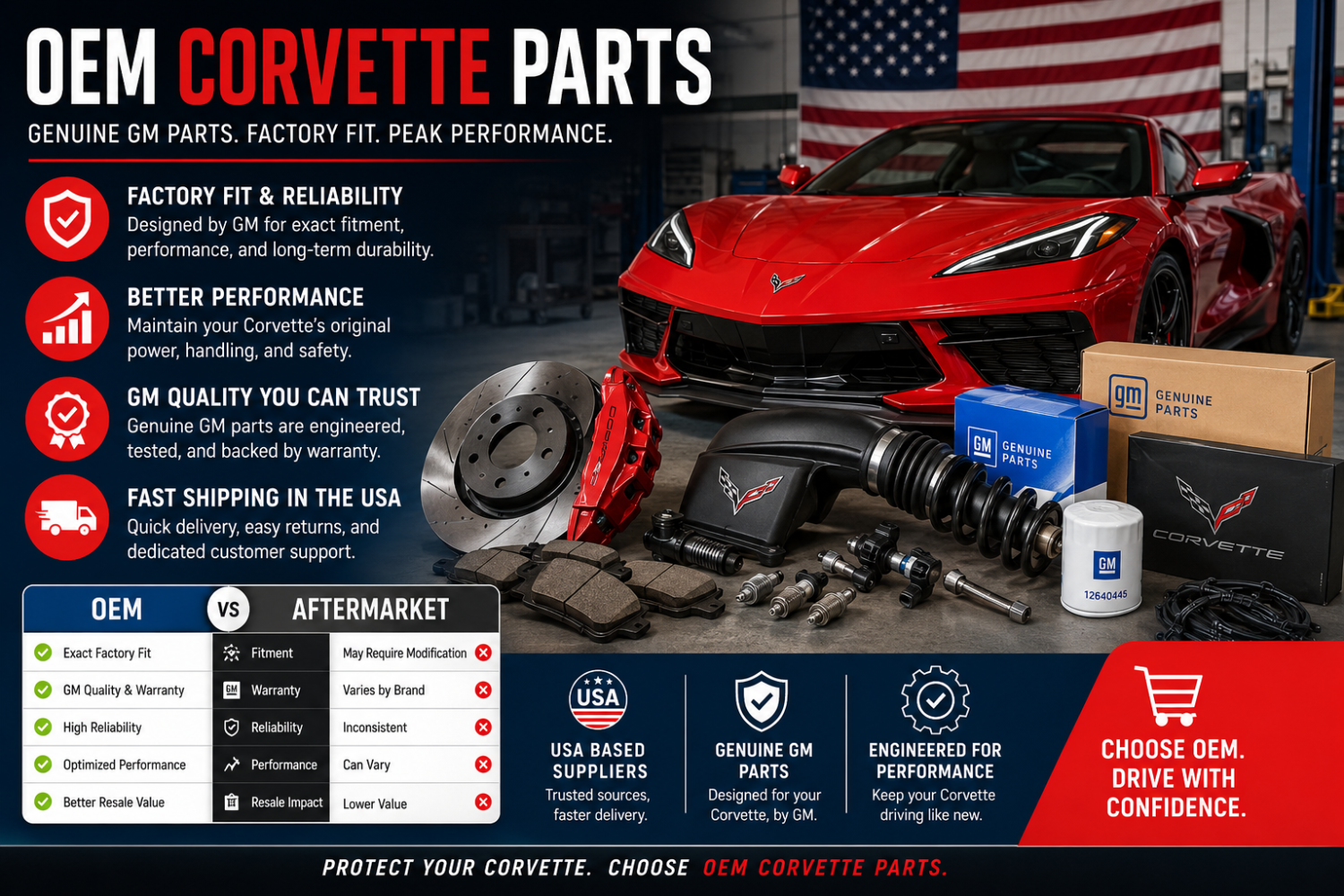
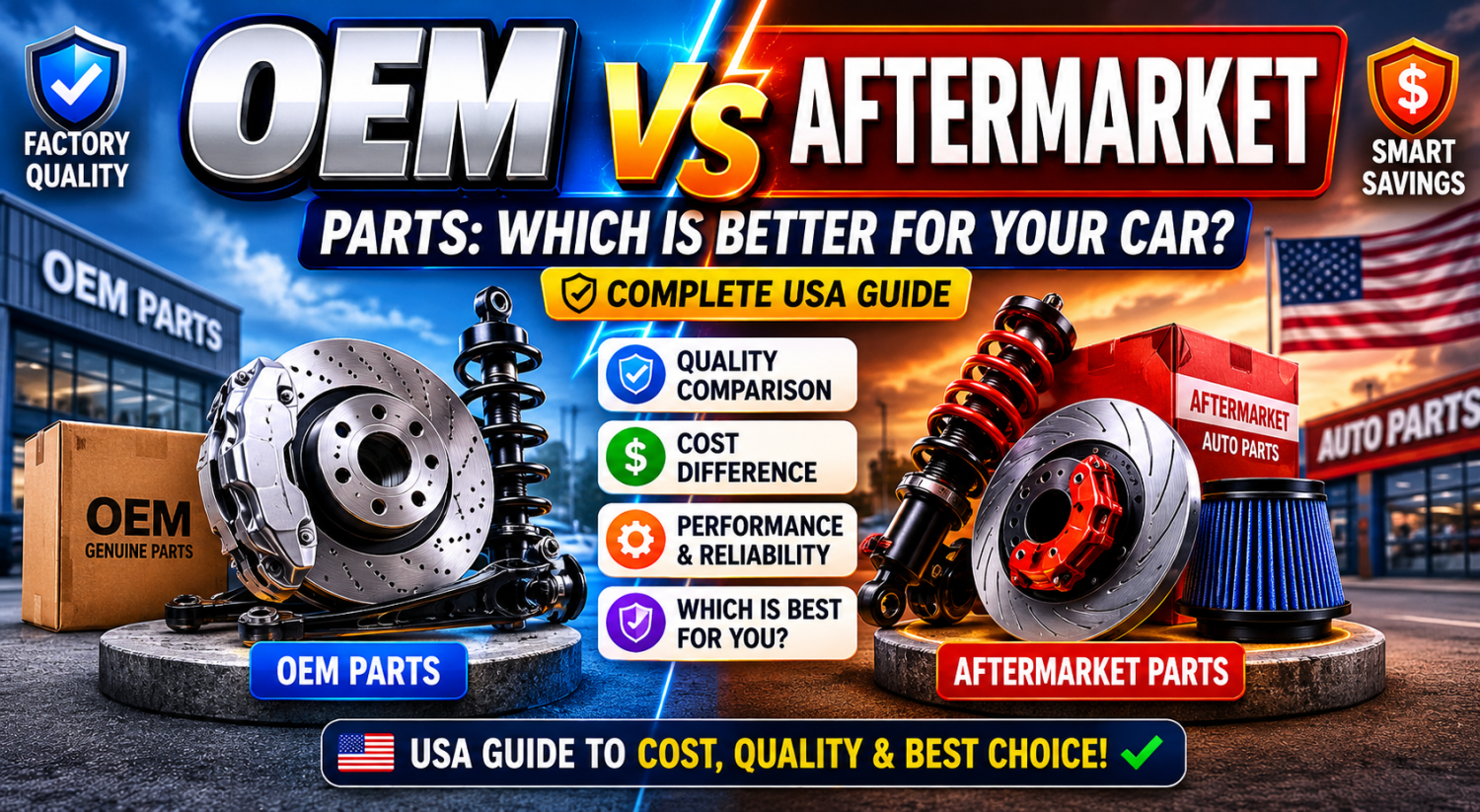
OEM vs Aftermarket Parts: Complete USA Guide to Differences, Quality, Cost & Best Choice
Maserati OEM Parts USA: Buy Genuine Maserati Spare Parts Online

The goal at Oemtronic Auto Parts is to connect buyers across the internet looking for auto parts with one of the largest network of salvage yards online. We want to streamline and economize the auto parts buying process by offering you the most up to date online buying experience.