
Engine Overheating Reasons: Causes, Fixes, and Prevention | OEMTRONIC
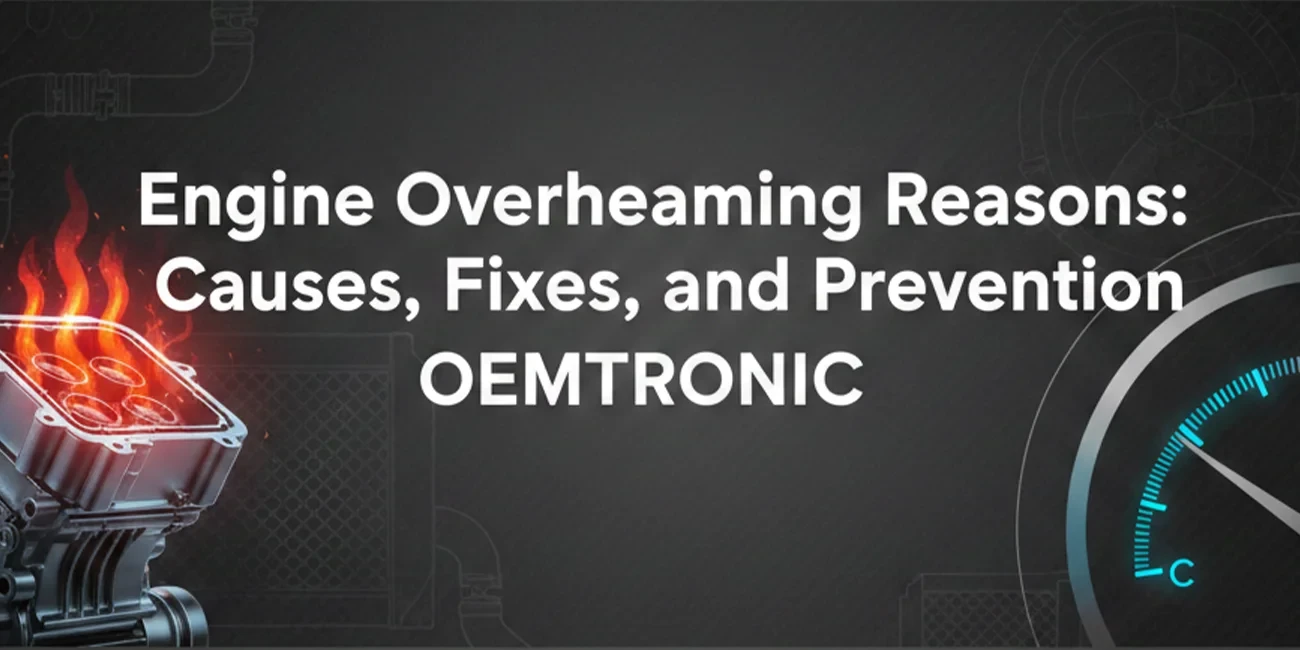
Your vehicle’s engine is the heart of its performance, and when that heart overheats, the results can be costly and dangerous. Understanding Engine Overheating Reasons is essential for every driver. From a minor coolant leak to a complete thermostat failure, small issues can quickly escalate into major problems if not addressed in time.
At OEMTRONIC, we help car owners, mechanics, and repair shops identify the most common engine overheating causes and supply high-quality OEM and used replacement parts to restore performance. Our nationwide network of over 180 suppliers ensures fast, affordable access to tested engines, cooling components, and everything you need to keep your car running cool and efficient.
Whether you’re troubleshooting an overheating car or performing routine engine maintenance, this guide will help you pinpoint the causes, take corrective action, and prevent overheating in the future.
Why Engine Overheating Happens
The most frequent Engine Overheating Reasons are related to a malfunctioning coolant system or poor cooling system maintenance. Your engine operates at high temperatures, and it depends on an efficient cooling process to regulate heat. When this system fails, your overheating car can experience severe engine damage.
OEMTRONIC specializes in replacement parts that ensure consistent temperature control. From radiator fans to head gaskets, we provide the components you need to fix and prevent overheating efficiently.
Let’s explore the leading engine overheating causes and what you can do to address them.
Common Engine Overheating Reasons
Coolant Leak
A coolant leak is one of the most common engine overheating causes. When coolant escapes from the coolant system, your engine loses its ability to regulate temperature. Leaks can occur in the radiator, hoses, water pump, or even the head gasket.
You might notice puddles under your car or a sweet odor under the hood, both signs of a coolant leak. Without proper coolant levels, heat accumulates rapidly, resulting in an overheating car.
At OEMTRONIC, we supply high-quality radiators, hoses, and replacement parts to restore your coolant system and help you prevent overheating before it leads to costly engine failure.
Thermostat Failure
A thermostat failure prevents coolant from circulating properly through the engine. When stuck closed, it restricts coolant flow, causing temperature buildup. If it’s stuck open, your engine may struggle to reach optimal performance levels.
Ignoring a thermostat failure can lead to rapid engine overheating and potential head gasket damage. We recommend checking your thermostat at regular engine maintenance intervals to ensure consistent operation.
OEMTRONIC offers OEM-tested thermostats designed to maintain precise temperature regulation and protect your vehicle from unnecessary stress.
Radiator Fan Malfunction
The radiator fan plays a crucial role in keeping your engine cool, especially in heavy traffic or hot weather. When this fan stops working due to electrical issues, sensor failure, or motor burnout, airflow across the radiator stops, resulting in an overheating car.
If your radiator fan isn’t running while the engine is hot, immediate inspection is essential. Replacing faulty components is key to keeping your coolant system efficient. OEMTRONIC carries durable OEM and used radiator fan assemblies to restore reliable cooling performance.
Faulty Water Pump
A malfunctioning water pump is another top cause among Engine Overheating Reasons. The pump circulates coolant through your engine and radiator, ensuring even heat distribution. When it fails, coolant can’t flow properly, leading to temperature spikes and engine overheating.
Symptoms include whining noises, coolant residue around the pump, and fluctuating temperature gauge readings. Regular engine maintenance and prompt replacement can prevent this from escalating.
OEMTRONIC’s inventory includes water pumps tested for performance and durability, ensuring your engine receives consistent cooling.
Damaged Head Gasket
A blown head gasket is one of the most serious engine overheating. It creates a leak between the engine block and cylinder head, allowing coolant and oil to mix. This not only reduces cooling efficiency but can also lead to complete engine failure.
White smoke, milky oil, and bubbling in the radiator are warning signs of a head gasket problem. OEMTRONIC supplies replacement engines and gasket sets to help restore your car’s performance and prevent overheating in the future.
Low Coolant Levels
Low coolant levels often indicate a coolant leak or poor cooling system maintenance. Without adequate fluid, your coolant system cannot absorb and dissipate heat effectively. Even short drives can result in engine overheating.
Check your coolant reservoir regularly and refill with the proper mixture of antifreeze and distilled water. OEMTRONIC provides the parts you need to keep your cooling system sealed and efficient, from hoses to expansion tanks.
Clogged or Damaged Radiator
A radiator clogged with debris or corrosion restricts coolant flow, making it a major contributor to Engine Overheating Reasons. Over time, sediment builds up inside the radiator, reducing its ability to release heat.
Routine flushing as part of engine maintenance helps preserve radiator efficiency. If your radiator is beyond repair, OEMTRONIC offers quality replacements that meet OEM specifications and keep your engine running at a stable temperature.
Poor Cooling System Maintenance
Neglecting cooling system maintenance is one of the easiest mistakes that lead to an overheating car. Regularly checking coolant levels, inspecting hoses, and replacing worn components are simple steps to prevent overheating.
Perform a complete coolant system inspection every 30,000–50,000 miles to ensure proper operation. OEMTRONIC helps vehicle owners stay proactive by providing high-quality parts and expert advice to extend vehicle lifespan.
Immediate Steps to Take When Your Car Overheats
If your temperature gauge spikes or steam begins rising from under the hood, follow these safety steps:
Pull over safely. Turn off the air conditioner and allow the engine to cool.
Turn on the heater. This helps transfer heat away from the engine temporarily.
Check coolant levels once the engine is cool. Never open the radiator cap when hot.
Inspect for visible leaks or disconnected hoses in your coolant system.
Contact professional help or a certified technician for diagnosis.
Following these steps can reduce damage while you plan repairs using reliable OEM replacement parts from OEMTRONIC.
How to Prevent Overheating and Protect Your Engine
The best way to avoid engine overheating is through regular inspection and proactive engine maintenance. Here are key steps you can take:
Schedule routine cooling system maintenance every 6 months.
Check coolant levels weekly and inspect for a coolant leak.
Replace your thermostat and radiator fan when symptoms appear.
Flush your coolant system to remove sediment buildup.
Use only manufacturer-approved antifreeze mixtures.
Perform regular oil changes to improve temperature control.
By following these guidelines, you can prevent overheating and keep your engine performing efficiently for years.
OEMTRONIC: Your Partner in Reliable Engine Solutions
At OEMTRONIC, we understand that preventing engine overheating requires more than advice it requires reliable parts. We connect customers to a nationwide network of over 180 suppliers, offering thousands of tested OEM and used components for every make and model.
Our inventory includes:
OEM-grade radiators, water pumps, and thermostats
Replacement head gaskets and engine assemblies
Tested radiator fan systems for all vehicle types
Parts backed by warranty and quality inspection
We make it easy to find dependable components for any engine overheating causes, helping you get back on the road safely and affordably.
With fast nationwide shipping, 90-day warranty coverage, and no core return requirements, OEMTRONIC stands as a trusted partner for every driver and mechanic seeking quality and value.
Frequently Asked Questions
What are the most common engine overheating reasons?
The most frequent engine overheating causes include a coolant leak, thermostat failure, damaged radiator fan, and poor cooling system maintenance. Regular inspections can catch these early.Can I drive an overheating car?
No. Driving an overheating car can lead to severe engine damage, including a blown head gasket or warped cylinder heads. Stop immediately and allow the vehicle to cool.How do I know if I have a coolant leak?
Watch for puddles under your car, a sweet odor, or low coolant levels in the reservoir. A coolant leak requires immediate repair to prevent overheating.What happens if the thermostat fails?
A thermostat failure restricts coolant flow, causing engine overheating or inconsistent temperature readings. Replace it promptly to protect your engine.How can I prevent overheating in my car?
Perform regular engine maintenance, check the coolant system, and ensure the radiator fan works properly. These steps help prevent overheating.How often should I perform cooling system maintenance?
It’s recommended to perform cooling system maintenance every 30,000–50,000 miles. Flushing the coolant and checking hoses helps ensure long-term reliability.What are the signs of a blown head gasket?
A failed head gasket often causes white exhaust smoke, oil contamination, or bubbling in the radiator. Address this immediately to prevent engine failure.Where can I find reliable parts to fix an overheating car?
OEMTRONIC offers OEM and used parts from over 180 suppliers nationwide, including radiators, thermostats, fans, and gasket sets for quick, reliable repairs.
Conclusion
Understanding Engine Overheating Reasons helps you take control of your vehicle’s health and avoid costly repairs. Whether you’re dealing with a coolant leak, thermostat failure, or poor cooling system maintenance, staying proactive is key to protecting your investment.
At OEMTRONIC, we make it simple to find the right components for your engine maintenance and cooling needs. With fast shipping, warranty-backed parts, and competitive pricing, we’re your go-to source for solving engine overheating causes and keeping your car running smoothly.
Visit OEMTRONIC.com today to shop tested engines, radiators, and cooling components designed to help you prevent overheating and extend your engine’s life.
Recent Posts
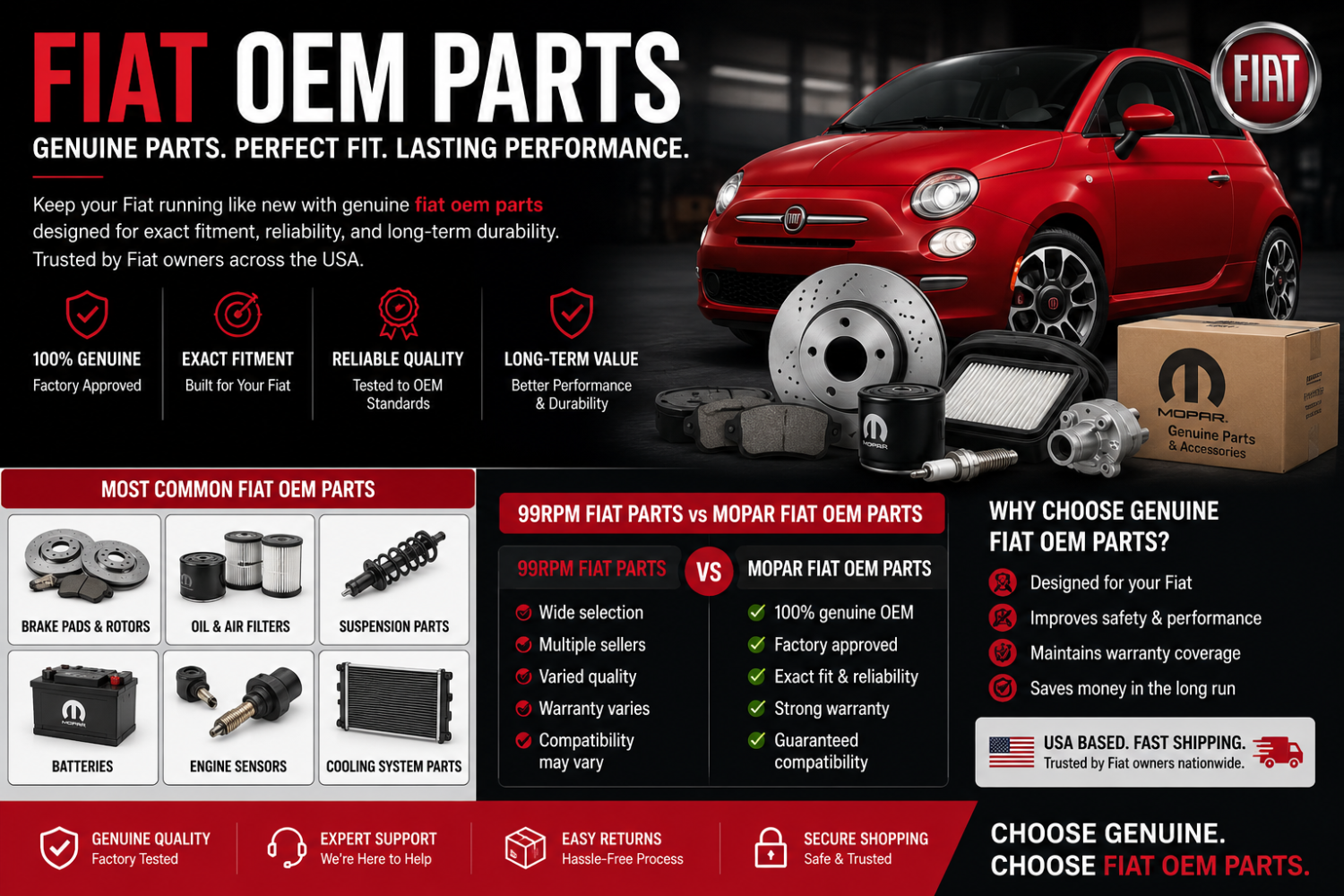
Fiat OEM Parts USA Guide: Genuine Replacement Parts Every Fiat Owner Should Know
Lennox OEM Part Guide: How to Find Genuine HVAC Replacement Parts in the USA
Used Lennox OEM Part: Find Repair Parts Easily with the New Repair Part Finder in the USA
OEM Parts Online Reviews: See What Real USA Buyers Are Saying Before Ordering
OEM vs Aftermarket Parts: Complete USA Guide to Differences, Quality, Cost & Best Choice
Maserati OEM Parts USA: Buy Genuine Maserati Spare Parts Online

The goal at Oemtronic Auto Parts is to connect buyers across the internet looking for auto parts with one of the largest network of salvage yards online. We want to streamline and economize the auto parts buying process by offering you the most up to date online buying experience.