
What to Check Before Buying a Used Car Engine: A Complete Buyer’s Guide
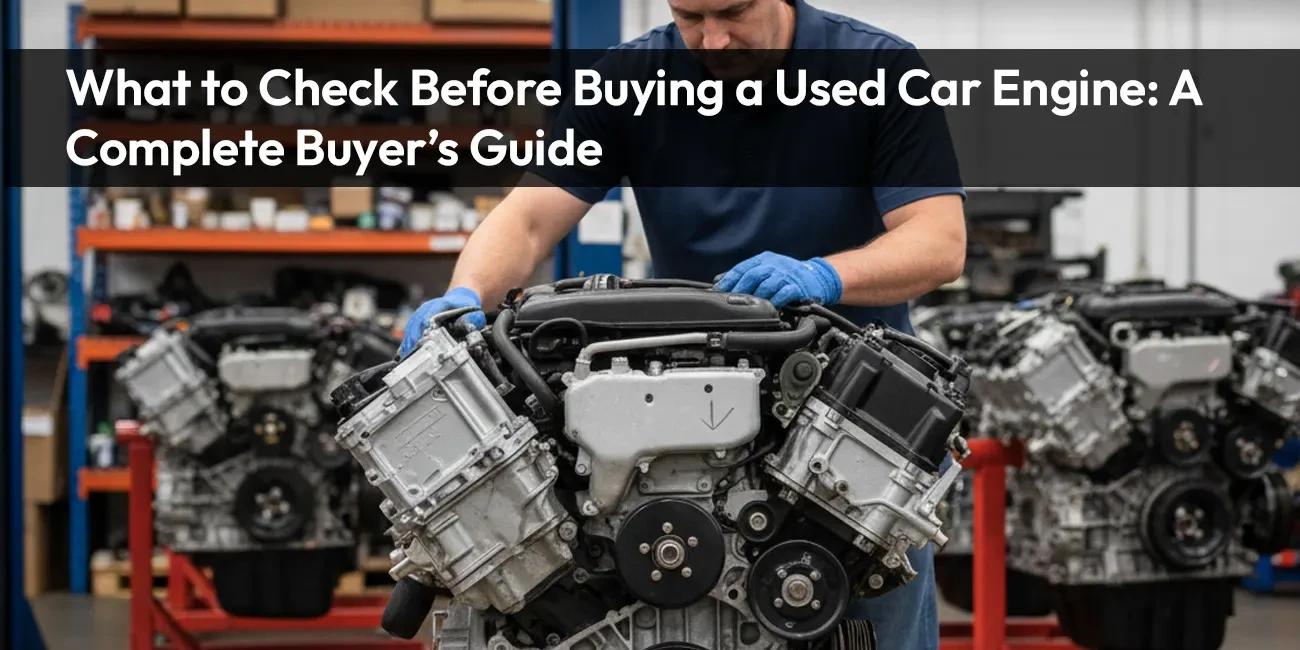
Buying a used car engine can be one of the smartest decisions for vehicle owners looking to save money without sacrificing performance. However, it can also turn into a costly mistake if proper checks are ignored. That is why understanding what to check before buying a used car engine is extremely important, especially in the USA where the used engine market is large and diverse.
This detailed used engine buying guide USA explains everything you need to know, from inspection and mileage checks to warranty, compatibility, and common engine problems. Whether you are a first-time buyer or an experienced car owner, this guide will help you make a safe and informed purchase.
Why Proper Inspection Matters When Buying a Used Engine
A used engine may look good on the outside but still have serious internal issues. Skipping inspection can result in poor performance, oil leaks, overheating, or complete engine failure.
That is why understanding things to check before buying a used engine protects you from hidden defects and ensures long-term reliability.
1. Used Engine Mileage Verification
Mileage is one of the most important factors when evaluating a used engine. Lower mileage usually means less internal wear and a longer remaining lifespan.
What to check:
Request official mileage documentation
Match mileage with donor vehicle records
Avoid engines with unclear or missing mileage data
Used engine mileage verification helps you estimate how long the engine is likely to last and whether it is worth the price.
2. How to Inspect a Used Engine Before Buying
Knowing how to inspect a used engine before buying can save you from expensive repairs later.
Key inspection points:
Check for oil sludge under the valve cover
Look for rust, cracks, or damaged engine mounts
Inspect seals and gaskets for leaks
Examine spark plugs for oil or carbon buildup
A clean engine with minimal wear is always a better choice.
3. Signs of a Good Used Engine
Understanding the signs of a good used engine helps you quickly identify high-quality options.
Good signs include:
Clean oil with no metal particles
Even compression across cylinders
No knocking or ticking noise
Dry exterior with no major leaks
Smooth rotation of crankshaft
If most of these signs are present, the engine is likely in good condition.
4. Used Engine Condition Check Tips
A detailed condition check is essential before finalizing your purchase. These used engine condition check tips can help you assess engine health accurately.
Important checks:
Compression test results
Leak-down test (if available)
Timing belt or chain condition
Cooling system ports for corrosion
Engines that pass these checks usually offer reliable long-term performance.
5. How to Verify Used Engine Compatibility
One of the most common mistakes buyers make is purchasing an incompatible engine. Learning how to verify used engine compatibility is critical.
Always confirm:
Engine code
Vehicle make, model, and year
Transmission compatibility
Emission system requirements
Even small mismatches can cause installation problems or performance issues.
6. Used Engine Warranty and Return Policy
Never ignore warranty coverage. A clear used engine warranty and return policy protects your investment.
Look for:
At least 30 to 90 days warranty
Coverage for internal components
Clear return or replacement terms
Written warranty documentation
Engines sold without warranty are risky and should only be considered if thoroughly inspected.
7. Common Problems With Used Car Engines
Knowing the common problems with used car engines helps you identify red flags early.
Common issues include:
Excessive oil consumption
Overheating due to worn components
Knocking sounds from bearings
Blown head gaskets
Timing chain or belt failure
Avoid engines showing these symptoms unless they are professionally rebuilt.
8. What to Look for in a Used Car Engine Visually
A visual inspection can reveal many hidden problems. Understanding what to look for in a used car engine helps you spot trouble instantly.
Visual red flags:
Heavy rust or corrosion
Broken sensors or wiring
Oil mixed with coolant
Burn marks or overheating signs
A clean, dry engine usually indicates proper maintenance.
9. Understanding the Used Engine Buying Guide USA Market
The used engine market in the USA includes online sellers, salvage yards, and certified suppliers. This used engine buying guide USA recommends choosing sellers who provide:
Engine testing reports
Mileage verification
Warranty support
Nationwide shipping
Customer reviews
Certified sellers may cost slightly more but offer far greater reliability.
10. Online vs Salvage Yard Used Engines
Both options have pros and cons.
Online sellers:
Tested engines
Warranty options
Detailed listings
Home delivery
Salvage yards:
Lower prices
Limited warranty
Requires manual inspection
For most buyers, online sellers are safer, especially when checking things to check before buying a used engine remotely.
11. Price vs Quality Balance
Cheapest is not always best. Engines priced too low may hide serious issues. Instead of focusing only on price, evaluate:
Mileage
Condition
Warranty
Seller reputation
This approach reduces the risk of future repair costs.
12. Installation Considerations
Even a good engine can fail if installed incorrectly. Before buying, ensure:
Installation support is available
Your mechanic has experience with your engine type
ECU and sensors are compatible
Installation errors are often mistaken for engine defects.
Frequently Asked Questions (FAQs)
1. What are the most important things to check before buying a used engine?
Mileage, compression test results, engine compatibility, warranty, and overall condition are the most important checks.
2. How do I inspect a used engine before buying if I am purchasing online?
Request detailed photos, test reports, mileage proof, and warranty documents from the seller.
3. Is used engine mileage verification really necessary?
Yes, mileage directly affects engine lifespan and helps determine whether the engine is worth the price.
4. What is a good warranty for a used engine?
A minimum of 30 to 90 days warranty covering internal components is considered good.
5. What are common problems with used car engines?
Oil leaks, overheating, knocking sounds, timing issues, and worn gaskets are common problems.
6. How can I be sure the engine is compatible with my car?
Match the engine code, vehicle model, year, and emission standards before purchasing.
Final Thoughts: Why Oemtronic Is a Trusted Choice for Used Car Engines
When it comes to understanding what to check before buying a used car engine, choosing the right supplier is just as important as inspecting the engine itself. A reliable platform like Oemtronic simplifies the buying process by offering tested engines, verified mileage details, clear compatibility information, and transparent warranty terms.
By sourcing a used engine from Oemtronic, buyers gain added confidence knowing that quality checks and customer support are part of the process. Combined with the inspection tips, mileage verification, and warranty guidance shared in this guide, selecting the right engine becomes far easier and safer. In the end, a well-informed purchase from a trusted name like Oemtronic can help you save money, avoid common risks, and give your vehicle a strong and reliable second life.
Recent Posts
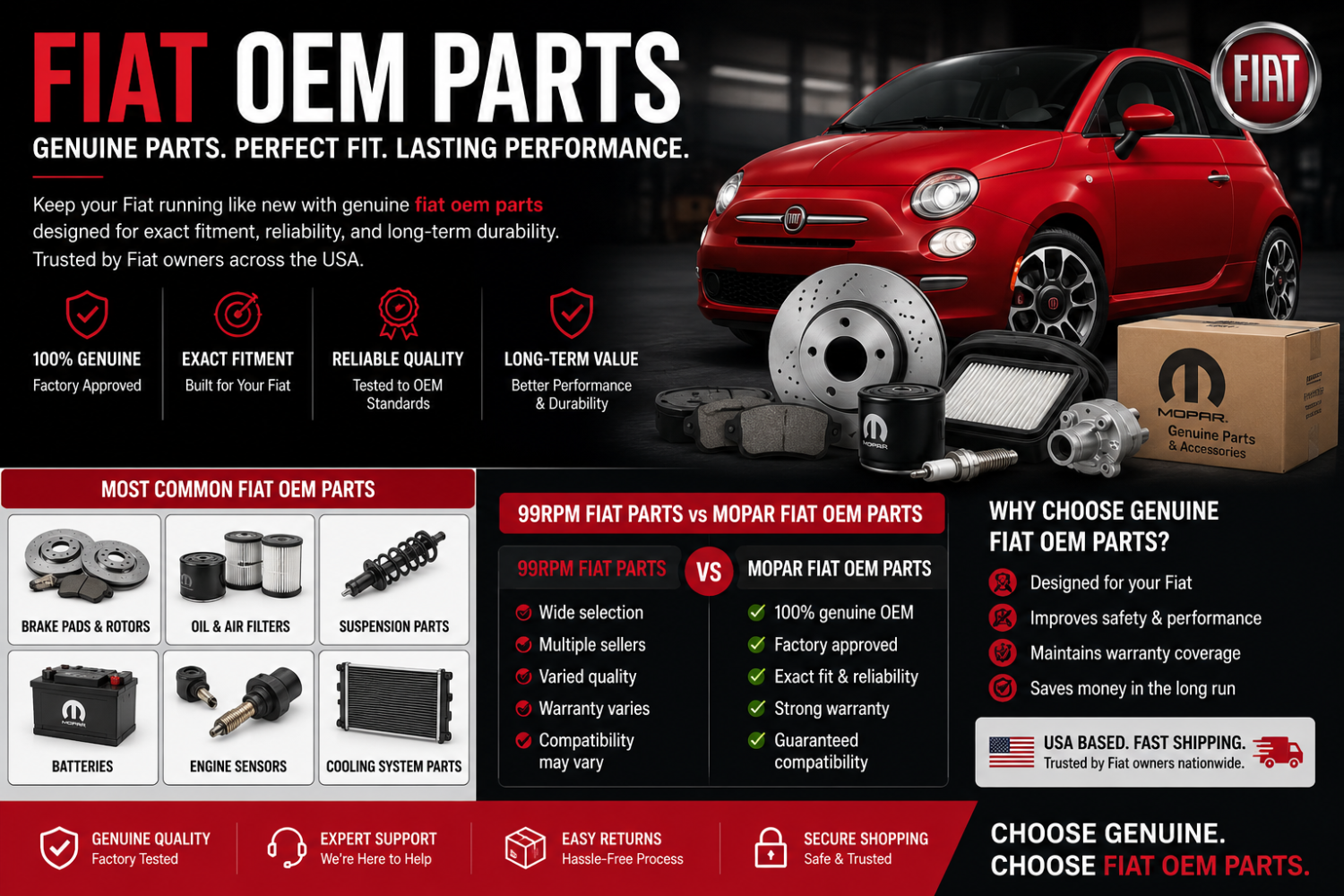
Fiat OEM Parts USA Guide: Genuine Replacement Parts Every Fiat Owner Should Know
Lennox OEM Part Guide: How to Find Genuine HVAC Replacement Parts in the USA
Used Lennox OEM Part: Find Repair Parts Easily with the New Repair Part Finder in the USA
OEM Parts Online Reviews: See What Real USA Buyers Are Saying Before Ordering
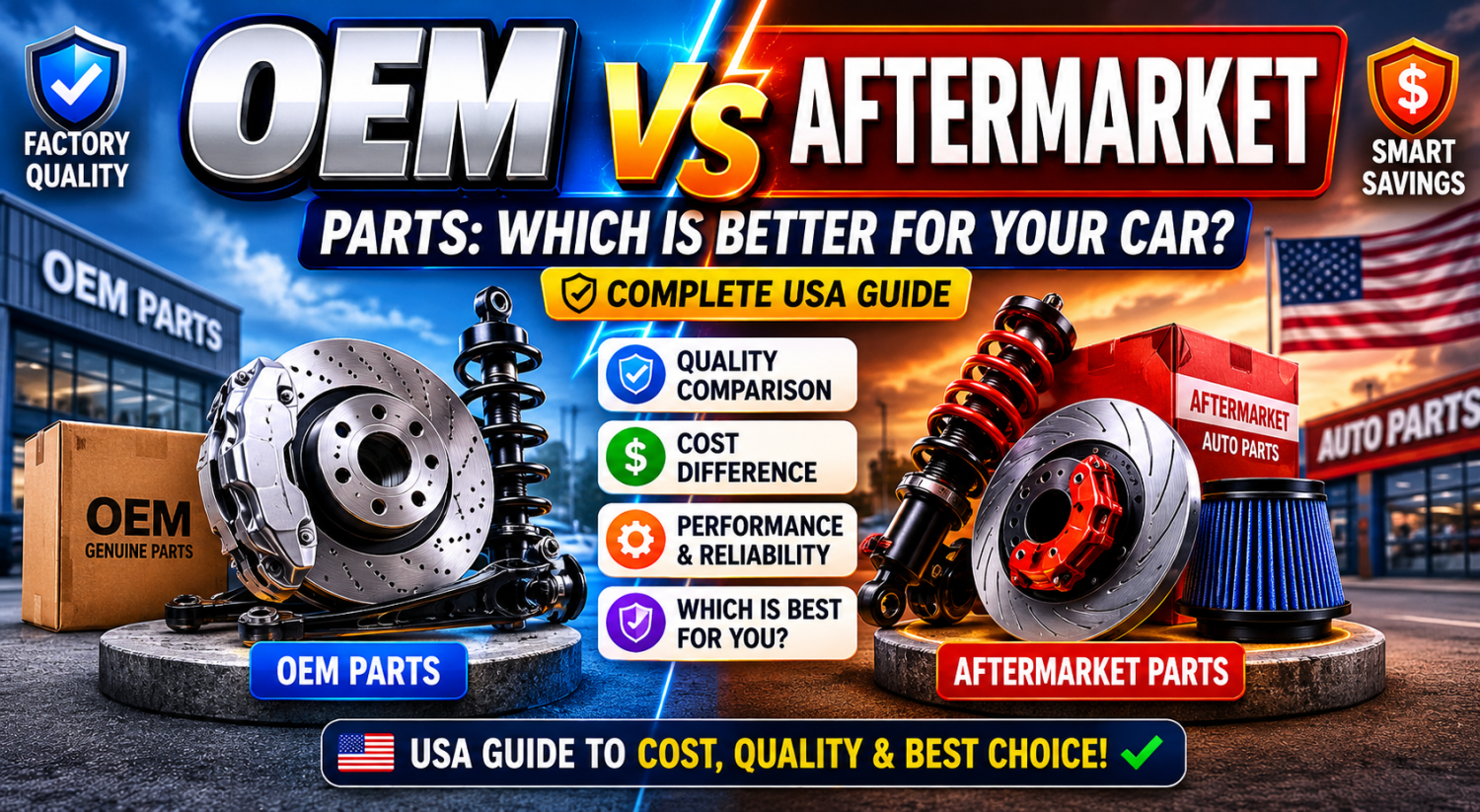
OEM vs Aftermarket Parts: Complete USA Guide to Differences, Quality, Cost & Best Choice

Maserati OEM Parts USA: Buy Genuine Maserati Spare Parts Online

The goal at Oemtronic Auto Parts is to connect buyers across the internet looking for auto parts with one of the largest network of salvage yards online. We want to streamline and economize the auto parts buying process by offering you the most up to date online buying experience.