
Difference Between OEM and Aftermarket Auto Parts: A Complete Buying Guide
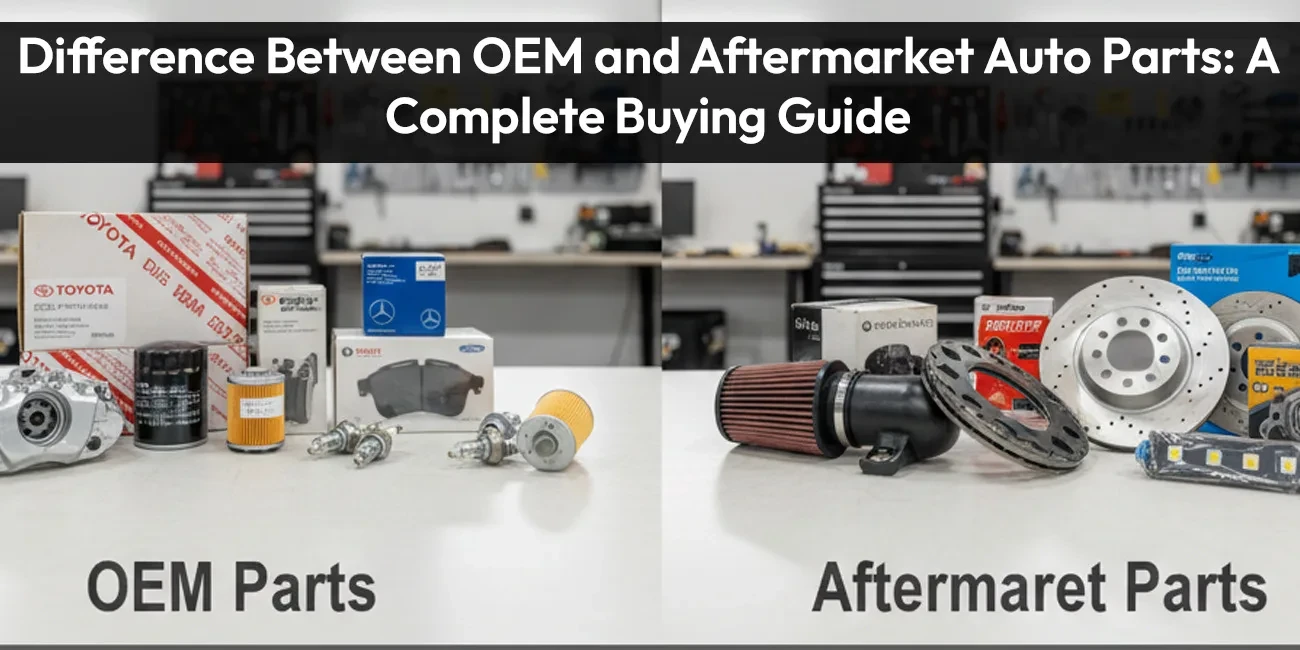
When it comes to repairing or maintaining your vehicle, one of the most common questions car owners face is the difference between OEM and aftermarket auto parts. Choosing the right type of auto part can directly affect your car’s performance, reliability, warranty, and overall cost. Many buyers feel confused when mechanics or sellers ask whether they want OEM parts or aftermarket parts.
This detailed guide explains the difference between OEM and aftermarket auto parts in simple terms. You will learn how they compare in quality, cost, reliability, warranty, and suitability for new and used cars. By the end, you will clearly understand which option is better for your specific needs and budget.
What Are OEM Auto Parts?
OEM stands for Original Equipment Manufacturer. OEM parts are made by the same manufacturer that produced the original parts installed in your vehicle at the factory. These parts are identical to the ones that came with your car when it was brand new.
In simple words, OEM parts are factory-approved components designed specifically for your car model.
When people search for OEM and aftermarket parts explained, OEM parts usually represent the “original” option that matches factory standards exactly.
Key Characteristics of OEM Parts
Manufactured by or for the vehicle brand
Exact fit and specifications
Higher price compared to aftermarket
Usually sold through dealerships or authorized sellers
What Are Aftermarket Auto Parts?
Aftermarket parts are produced by third-party manufacturers, not the original vehicle brand. These companies make replacement parts that fit and function like OEM parts, and sometimes even improve performance or durability.
Aftermarket auto parts are widely available and offer more variety in price, quality, and features.
When comparing OEM parts vs aftermarket parts differences, aftermarket parts stand out for flexibility and affordability.
Key Characteristics of Aftermarket Parts
Made by independent manufacturers
Available in multiple quality levels
Usually more affordable
Widely sold online and in auto parts stores
OEM vs Aftermarket Auto Parts Comparison
Understanding a clear OEM vs aftermarket auto parts comparison helps you make the right buying decision. Let’s break it down across important factors.
Quality and Fit Differences
One major factor in the difference between OEM and aftermarket auto parts is fit and finish.
OEM parts are designed using exact factory specifications, so they fit perfectly without any adjustments. This makes them ideal for buyers who want a direct replacement.
Aftermarket parts also fit well, but quality depends on the manufacturer. Some aftermarket brands match OEM quality, while others offer lower-grade materials to reduce cost.
This leads many buyers to ask, are OEM parts better than aftermarket? The answer depends on the brand and usage.
Cost Comparison: OEM vs Aftermarket Parts
Price is one of the biggest differences buyers notice immediately.
OEM vs Aftermarket Parts Cost Comparison
OEM parts are typically 20 to 60 percent more expensive
Aftermarket parts offer a wide price range
Budget-friendly options are easily available in the aftermarket
For older vehicles or non-critical repairs, many car owners prefer aftermarket parts due to significant cost savings.
Reliability and Performance
Another important aspect of the difference between OEM and aftermarket auto parts is reliability.
OEM vs Aftermarket Parts Reliability
OEM parts offer consistent reliability because they are factory-tested and approved. They are designed to work seamlessly with your vehicle.
Aftermarket reliability depends on the manufacturer. High-quality aftermarket brands can match or even exceed OEM performance, while low-quality brands may wear out faster.
This is why research is essential when choosing aftermarket components.
Warranty Differences Between OEM and Aftermarket Parts
Warranty coverage is another key point in OEM vs aftermarket parts warranty discussions.
OEM parts usually come with a manufacturer-backed warranty, often ranging from 12 months to longer periods when installed at dealerships.
Aftermarket warranties vary widely. Some premium aftermarket brands offer warranties equal to or better than OEM, while cheaper parts may have limited or no warranty.
Always review warranty details before purchasing, especially for expensive components like engines or transmissions.
Pros and Cons of OEM and Aftermarket Parts
To fully understand the aftermarket vs OEM car parts pros and cons, let’s look at both sides.
Pros of OEM Parts
Guaranteed factory fit
Consistent quality
Ideal for newer vehicles
Maintains original vehicle specifications
Cons of OEM Parts
Higher cost
Limited availability outside dealerships
Fewer options
Pros of Aftermarket Parts
More affordable pricing
Wide variety of brands and features
Easier availability
Suitable for customization
Cons of Aftermarket Parts
Quality varies by brand
Some parts may not fit perfectly
Requires research to avoid low-quality options
Which Is Better OEM or Aftermarket Parts?
Many buyers ask, which is better OEM or aftermarket parts? There is no one-size-fits-all answer.
Choose OEM parts if:
Your vehicle is new or under warranty
You want exact factory specifications
You prefer dealership-backed components
Choose aftermarket parts if:
You want to save money
Your car is older or out of warranty
You need more choices or performance upgrades
Understanding the difference between OEM and aftermarket auto parts helps you balance quality and cost effectively.
OEM vs Aftermarket Parts for Used Cars
For used vehicles, aftermarket parts are often the more practical choice. Many car owners prefer aftermarket options because they reduce repair costs without sacrificing reliability.
However, for critical components like engines, transmissions, or safety systems, high-quality OEM or trusted aftermarket brands are recommended.
The topic of OEM vs aftermarket parts for used cars largely depends on vehicle age, usage, and budget.
Availability and Buying Options
OEM parts are mainly sold through authorized dealerships or certified suppliers. This can sometimes mean longer wait times and higher prices.
Aftermarket parts are widely available online, making it easier to compare prices, reviews, and specifications.
This wide availability is one reason many drivers shift toward aftermarket parts once they understand the difference between OEM and aftermarket auto parts.
When OEM Parts Make More Sense
OEM parts are often the better option when:
Repairing safety-critical systems
Maintaining manufacturer warranty
Replacing complex electronic components
Restoring a car to factory condition
In such cases, the higher cost is justified by peace of mind and guaranteed compatibility.
When Aftermarket Parts Are the Smarter Choice
Aftermarket parts are ideal when:
Performing routine maintenance
Repairing older vehicles
Replacing cosmetic or non-critical components
Working within a tight budget
Many aftermarket brands now offer excellent quality, making them a strong alternative to OEM parts.
Final Buying Tips
To make the best decision:
Compare prices and warranties
Check customer reviews
Choose reputable sellers
Avoid extremely cheap unknown brands
Match the part to your driving needs
Being informed about the difference between OEM and aftermarket auto parts ensures you get the best value without compromising safety or performance.
Frequently Asked Questions (FAQ)
1. What is the main difference between OEM and aftermarket auto parts?
The main difference is that OEM parts are made by the original manufacturer, while aftermarket parts are made by third-party companies.
2. Are OEM parts better than aftermarket?
OEM parts offer guaranteed fit and consistency, but high-quality aftermarket parts can perform just as well at a lower cost.
3. Is aftermarket cheaper than OEM?
Yes, aftermarket parts are generally more affordable and offer a wider price range.
4. Which lasts longer, OEM or aftermarket parts?
OEM parts are consistent in durability, but premium aftermarket parts can last just as long if chosen carefully.
5. Does using aftermarket parts void warranty?
In most cases, aftermarket parts do not void warranty unless they cause damage. Always check warranty terms.
6. Should I use OEM or aftermarket parts for used cars?
Aftermarket parts are often preferred for used cars due to cost savings, but OEM parts may be better for critical components.
Conclusion
Understanding the difference between OEM and aftermarket auto parts empowers car owners to make smarter repair and maintenance decisions. OEM parts provide factory-level assurance and exact fit, while aftermarket parts offer flexibility, affordability, and variety.
By evaluating cost, quality, warranty, and vehicle condition, you can confidently choose between OEM and aftermarket parts. Whether you prioritize originality or savings, the right choice is the one that fits your car, budget, and long-term goals.
Recent Posts
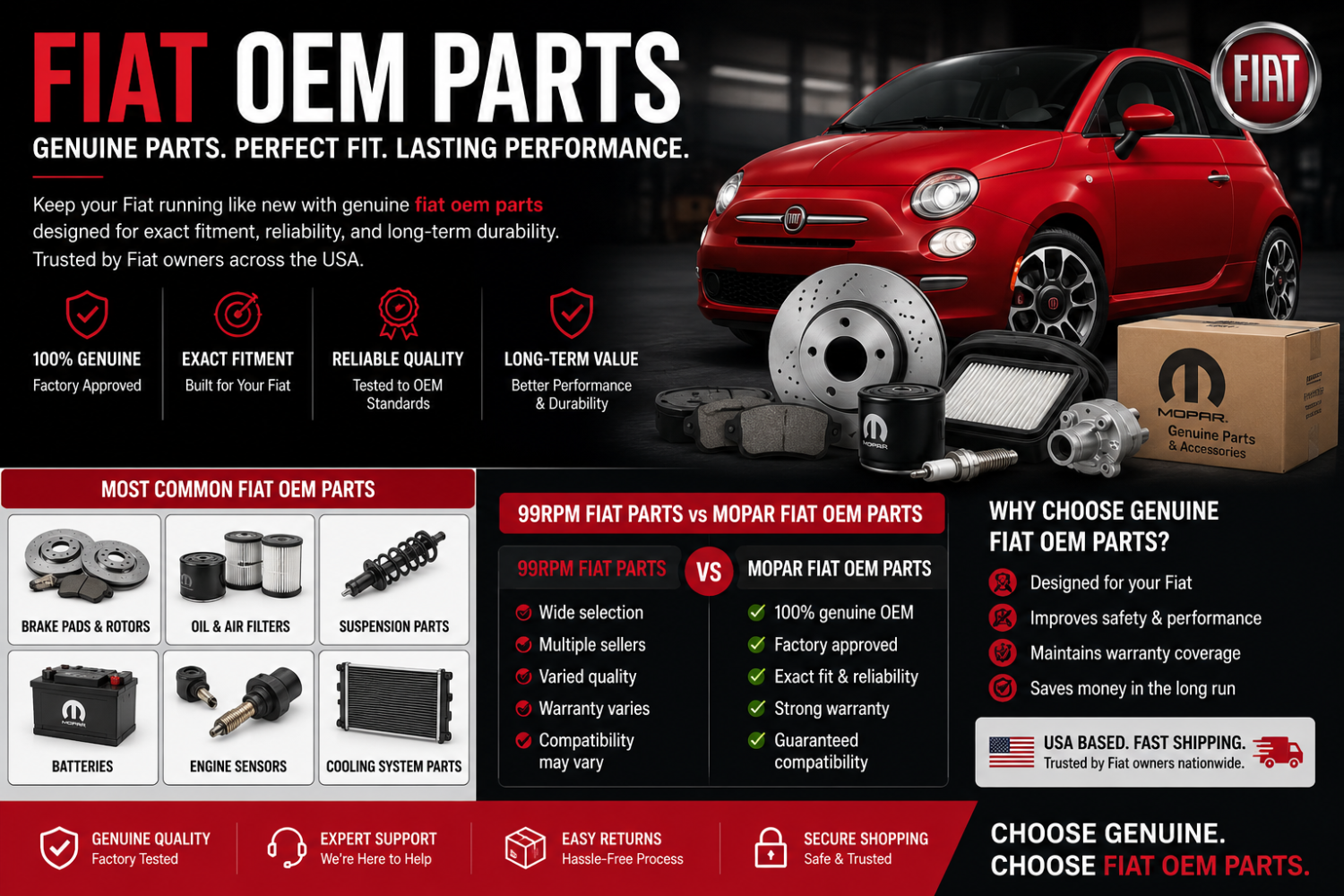
Fiat OEM Parts USA Guide: Genuine Replacement Parts Every Fiat Owner Should Know
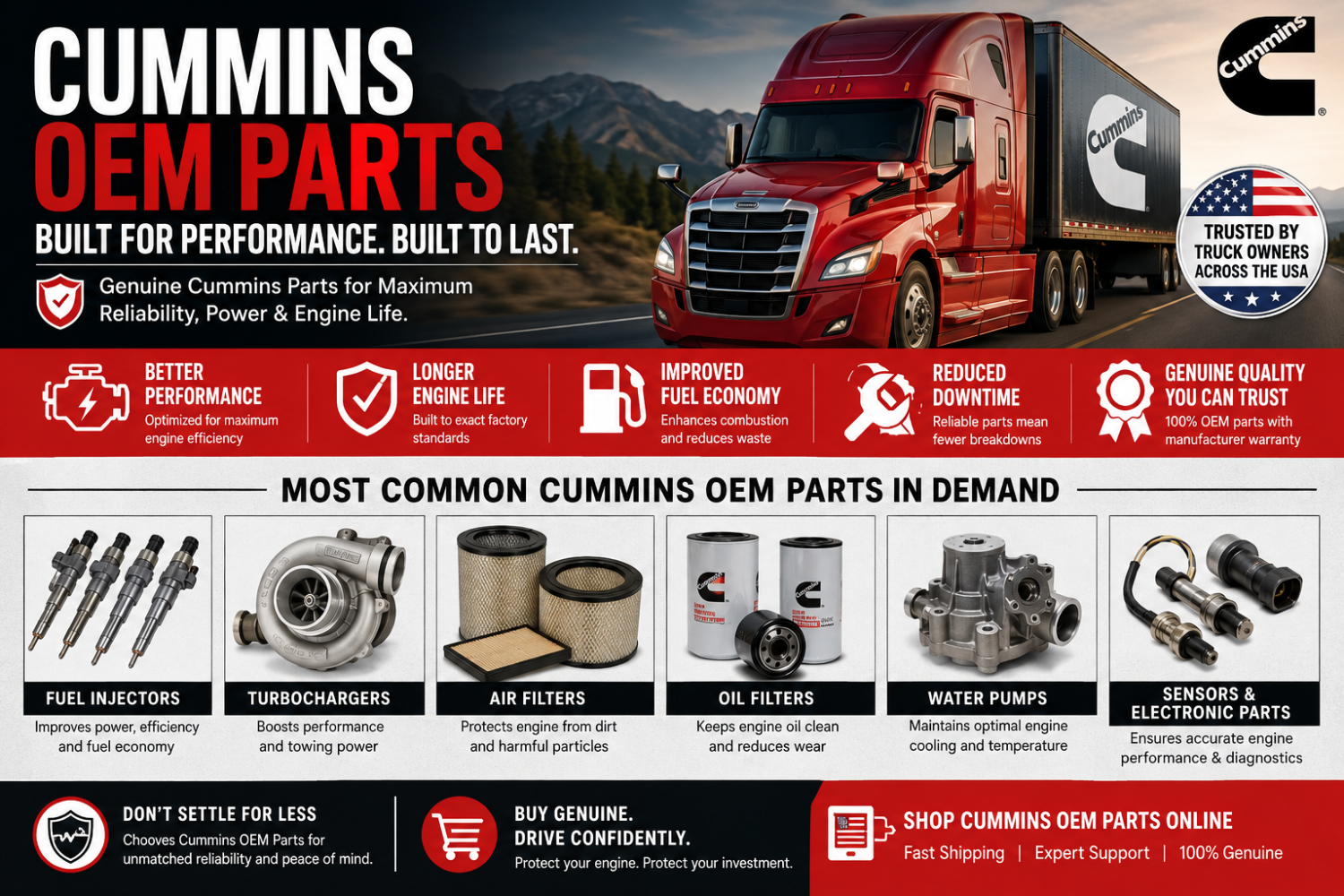
Lennox OEM Part Guide: How to Find Genuine HVAC Replacement Parts in the USA
Used Lennox OEM Part: Find Repair Parts Easily with the New Repair Part Finder in the USA
OEM Parts Online Reviews: See What Real USA Buyers Are Saying Before Ordering
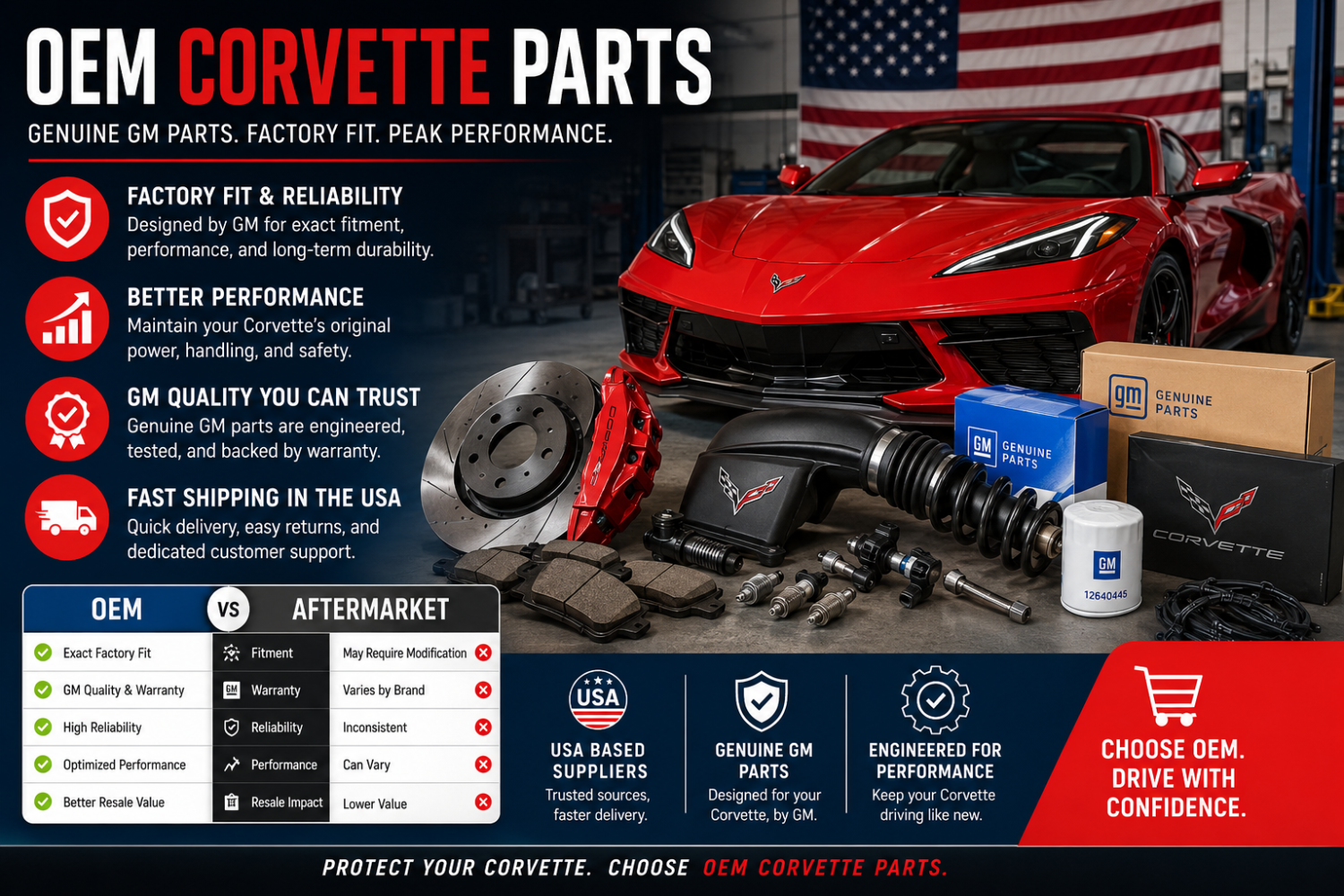
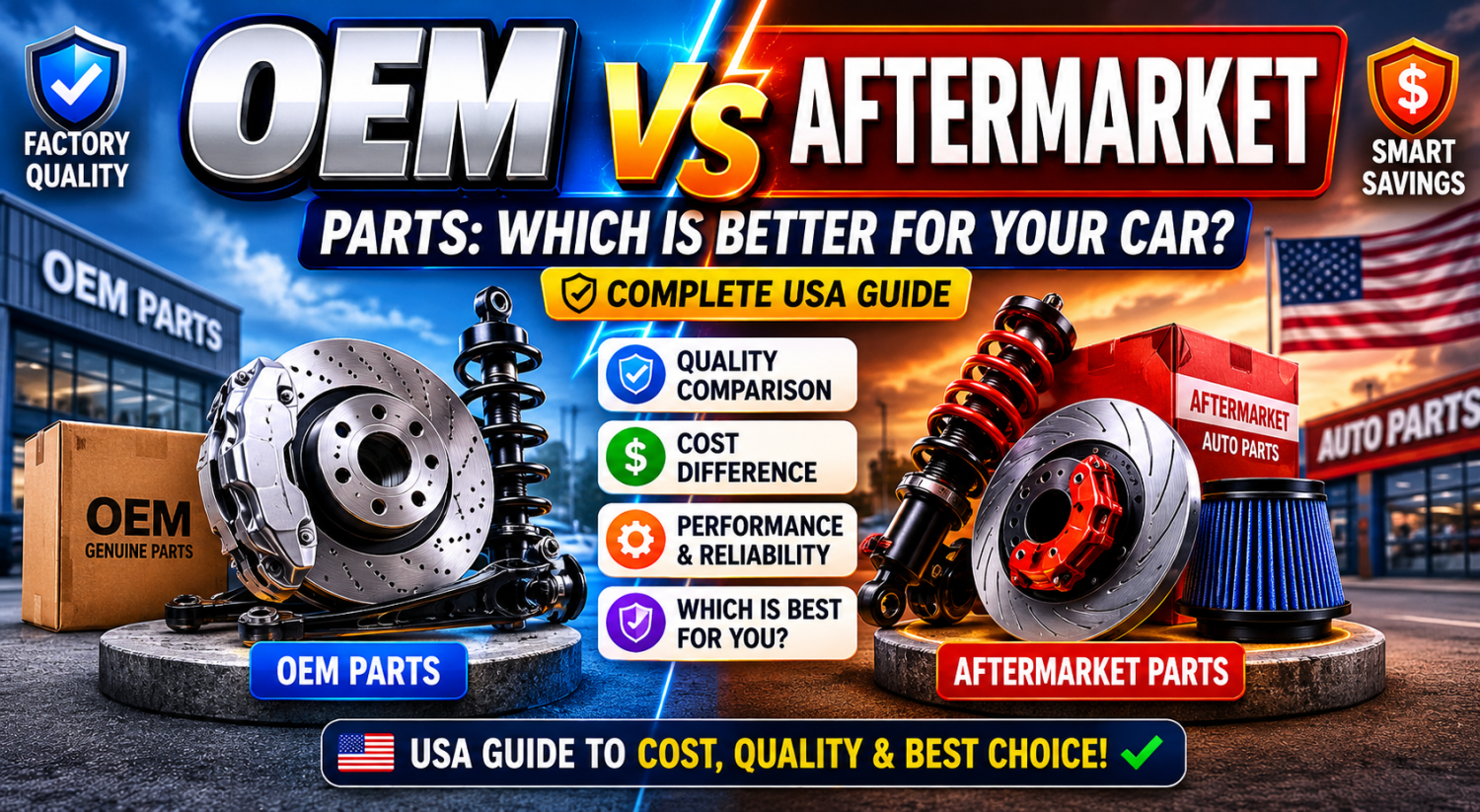
OEM vs Aftermarket Parts: Complete USA Guide to Differences, Quality, Cost & Best Choice
Maserati OEM Parts USA: Buy Genuine Maserati Spare Parts Online

The goal at Oemtronic Auto Parts is to connect buyers across the internet looking for auto parts with one of the largest network of salvage yards online. We want to streamline and economize the auto parts buying process by offering you the most up to date online buying experience.